
In the competitive world of retail, packaging is no longer just a protective layer; it is a brand ambassador, a sustainability statement, and a critical component of operational efficiency. While corrugated boxes and plastic films have long dominated the shelves and shipping lanes, a quiet shift is occurring among forward-thinking retailers. They are turning to a highly specialized material that was once the exclusive domain of the tobacco industry: plug wrapping paper.
Originally engineered to wrap cigarette filters with precision and consistency, plug wrapping paper is now being recognized by retailers across diverse sectors—from food and beverage to cosmetics and small electronics—as a superior solution for their packaging needs. This shift is driven by a convergence of factors: the need for high-speed automation compatibility, a pressing mandate for sustainability, and the desire for a premium, tactile unboxing experience. This article explores the technical and strategic reasons why plug wrapping paper is transitioning from a niche industrial material to a versatile retail packaging asset.
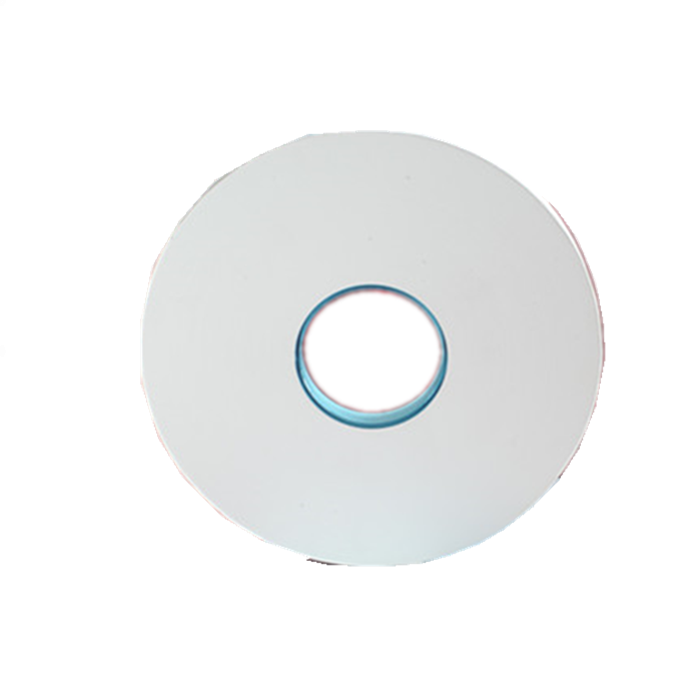
The Technical Heritage: What Makes Plug Wrapping Paper Unique?
To understand why retailers are adopting plug wrapping paper, one must first understand its origins. Plug wrap paper is a thin, lightweight specialty paper traditionally used to enclose the acetate tow or polypropylene tow of a cigarette filter . It is designed to be incredibly strong despite its low grammage, typically ranging from 24 to 40 grams per square meter . Its primary historical functions included holding the filter rod together, regulating air flow through controlled porosity, and ensuring compatibility with high-speed manufacturing machinery .
These very characteristics—strength, precision, and machine-compatibility—are precisely what modern retail packaging demands. As retailers move toward automated packing lines to reduce labor costs and increase throughput, they require materials that can withstand the tension of high-speed wrapping without tearing or jamming. Plug wrapping paper, refined over decades to run smoothly on machines producing thousands of units per minute, offers a level of reliability that standard commercial wrapping papers often lack.
The Sustainability Imperative: A Natural Fit for the Circular Economy
Perhaps the most significant driver behind the adoption of plug wrapping paper in retail is the global push toward sustainability. The retail industry is under immense pressure to reduce its reliance on single-use plastics. Consumers, particularly younger demographics, are increasingly conscious of packaging waste and are more likely to support brands that use recyclable and biodegradable materials.
Plug wrapping paper is typically made from 100% virgin wood pulp, often from softwood and hardwood sources . It is inherently biodegradable, non-toxic, and tasteless, making it safe for direct contact with food products and consumer goods . Unlike plastic shrink wrap or laminated films, which often contaminate recycling streams, plug wrapping paper can be easily recycled or composted.
For retailers selling products like drinking straws, toothpicks, or coffee stirrers, plug wrapping paper has already become a standard replacement for plastic film . This transition is now expanding to other categories. Retailers are discovering that the same food-grade, eco-friendly paper used for straws can be adapted to wrap individual cosmetic items, small hardware components, or artisanal confectionery. By choosing plug wrapping paper, retailers can significantly reduce their carbon footprint and appeal to the eco-conscious consumer, turning a regulatory or ethical obligation into a branding opportunity.
Operational Efficiency and Cost-Effectiveness
While sustainability attracts consumers, operational efficiency attracts the finance department. Retailers operate on thin margins, and any packaging material that disrupts the supply chain or increases downtime is quickly discarded. Plug wrapping paper offers distinct advantages in this arena.
One of the primary benefits is its compatibility with high-speed machinery. High-quality plug wrap is engineered to have excellent tensile strength and elongation properties . This means it can be fed through automated wrapping machines at high speeds without breaking. For retailers who package thousands of units per day—such as a company producing individually wrapped bamboo utensils or a subscription box service packaging small accessories—this reliability is crucial. Downtime caused by paper breaks or jams can cost hundreds of dollars per hour, making the slightly higher upfront cost of specialized plug wrap negligible compared to the savings in labor and time .
Furthermore, plug wrapping paper is available in a wide range of customizable specifications. Retailers can order rolls in specific widths (often ranging from 19mm to 50mm) and lengths to match their existing machinery . This customizability reduces waste. Instead of cutting a wide sheet of paper to fit a small product and throwing away the excess, retailers can order a roll that is precisely sized for their application. This “right-sized” approach minimizes material waste and maximizes the number of units produced per roll, directly improving the bottom line.
Enhancing the Unboxing Experience and Brand Perception
In the age of e-commerce and social media, the “unboxing” experience has become a powerful marketing tool. Retailers are moving away from generic packaging and seeking materials that convey quality and care. While plug wrapping paper is thin, its texture can be engineered to be smooth or crepe-corrugated, offering a tactile sensation that feels more premium than glossy plastic films .
Moreover, plug wrap paper is highly printable. It can be coated or printed with brand logos, patterns, or regulatory information using standard printing techniques . For a retailer selling luxury goods—such as high-end teas, specialty coffees, or artisanal soaps—wrapping the product in a custom-printed, eco-friendly paper creates a sense of heritage and craftsmanship. It signals that the brand cares about the details, from the product itself to the way it is presented.
In the tobacco industry, printed plug wrap is used to visually address the consumer and differentiate brands on the shelf . Retailers in other sectors are applying the same logic. A personalized plug wrap can turn a simple commodity item into a branded experience. For example, a retailer selling loose-leaf tea might use a printed plug wrap to seal individual sample pouches, reinforcing brand identity with every cup brewed.
Versatility Across Retail Categories
The versatility of plug wrapping paper is perhaps its most underrated attribute. While its name implies a single use, its physical properties make it suitable for a wide array of retail applications.
Food and Beverage: Beyond straws, plug wrapping paper is ideal for wrapping cutlery sets (for takeaway or meal kits), chopsticks, and coffee stirrers. Because it is food-grade and free from harmful substances like aluminum or arsenic, it ensures consumer safety .
Cosmetics and Personal Care: The paper can be used to wrap small soap bars, sample sachets, or cotton swabs. Its smooth texture and printability allow for elegant branding that aligns with clean beauty trends.
Stationery and Small Accessories: For retailers selling individual pens, brushes, or small hardware items, plug wrap offers a lightweight protective layer that prevents scratches during transit while remaining easy for the customer to open.
Pharmaceutical and Medical: The precision and cleanliness of plug wrap paper make it suitable for wrapping sterile or hygiene-sensitive items, though specific medical-grade certifications would be required.
Overcoming the Challenges: What Retailers Need to Know
While the benefits are clear, retailers considering the switch to plug wrapping paper must navigate a few practical considerations. First, the material is typically sold in industrial quantities—large rolls or bobbins weighing several kilograms . Small businesses may need to partner with distributors or find suppliers that offer smaller roll sizes, which are becoming more common as demand from non-tobacco sectors grows.
Second, while the paper is strong, it is not a substitute for heavy-duty corrugated board. It is a primary wrapping material for individual items, not a shipping container. Retailers must understand that plug wrap is designed to be a first layer of protection and presentation, often requiring an outer box or bag for shipping.
Finally, the supply chain for specialty papers has traditionally been geared toward the tobacco industry. However, this is changing rapidly. Major paper manufacturers are increasingly recognizing the demand from the retail sector and are expanding their product lines to offer “retail-grade” plug wrap papers that emphasize printability and eco-certifications alongside the traditional mechanical properties .
Conclusion: A Strategic Shift Toward Smarter Packaging
The adoption of plug wrapping paper by retailers is not a passing trend; it is a strategic response to a changing market. It represents a shift from viewing packaging as a disposable cost to recognizing it as a tool for operational efficiency, brand building, and environmental responsibility.
By leveraging a material that is engineered for speed, designed for safety, and built for sustainability, retailers can solve multiple challenges simultaneously. They can satisfy the consumer’s demand for green packaging, meet the CFO’s demand for cost control, and exceed the customer’s expectation for a quality experience. As the retail landscape continues to evolve toward automation and sustainability, plug wrapping paper—with its unique blend of industrial strength and consumer-friendly attributes—is poised to become a staple on the packaging manager’s shelf, right next to the tape and the boxes.
Post time: Nov-05-2026


