
In the competitive landscape of the tobacco industry, where regulatory constraints limit traditional advertising channels, the product itself has become the primary canvas for brand expression. While often overlooked by consumers on a conscious level, the tipping paper—the outer wrapping of the cigarette filter—serves as a silent salesman. It is the first point of physical contact between the smoker and the product, and its design, texture, and feel profoundly shape perceptions of quality and desirability. For premium brands, customized tipping paper is not merely a functional component; it is a strategic asset essential to building brand equity and commanding market distinction.
The Functional Foundation: More Than Just Wrapping
To understand why customization is so critical, one must first appreciate the tipping paper’s dual role. Technically, it is the fundamental component that unites the tobacco rod with the filter tip, ensuring structural integrity during high-speed manufacturing processes, which can reach speeds of 8,000 to 12,000 cigarettes per minute . It must possess specific mechanical properties—adequate tensile strength to prevent breakage, controlled porosity to manage smoke yield, and precise dimensions to fit modern machinery .
Tipping paper is engineered with specific technical specifications to meet these functional requirements. It typically has a basis weight ranging from 31 to 38 g/m² and is manufactured from pure wood pulp . The paper’s porosity, measured in Coresta units, is a critical variable that can range from 0 to 1500 CU, depending on the desired ventilation and smoke control characteristics . However, the true differentiation for premium brands occurs at the intersection of these functional requirements and aesthetic customization. As the only component in direct contact with the smoker’s lips and fingers, the tipping paper provides essential tactile properties and serves as the primary visual element when a pack is opened .
The Psychology of Perception: Visual and Tactile Branding
Decades of marketing research have established that consumers make snap judgments about product quality based on visual cues. A pivotal study published in the journal Tobacco Control found that smokers’ perceptions of a cigarette’s attractiveness, quality, and even taste strength are significantly influenced by the tipping paper’s design . This research demonstrated that a cigarette with a cork-patterned tipping paper and a gold band was consistently rated as most attractive, of the highest quality, and strongest in taste compared to plain white or unadorned designs .
This is the “halo effect” in action: aesthetic appeal is subconsciously transferred to a belief in superior product quality. Customization, therefore, is not about adding mere decoration; it is about manipulating consumer psychology to create a tangible sense of luxury. Branded sticks were seen as more attractive, higher in quality, and stronger tasting than non-branded designs, and the effect was notably amplified for prestige brands compared to budget options . This finding validates the investment in high-end design for premium product lines.
The Palette of Customization: From Colour to Coatings
Modern manufacturing capabilities allow for an extraordinary range of customization options, transforming a simple base paper into a sophisticated brand signature.
Colour and Patterns
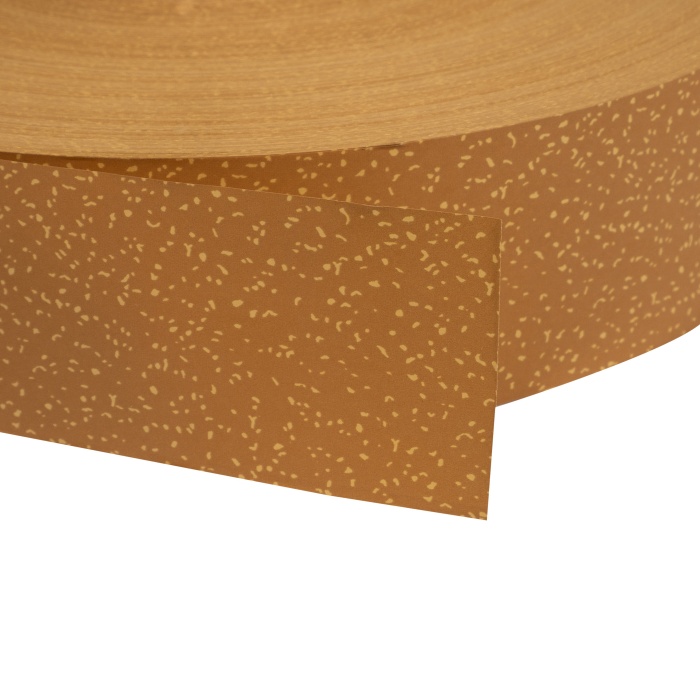
While traditional cork imitation remains popular, the spectrum has expanded significantly. Premium brands are moving beyond the standard yellow-brown and white to incorporate deep blacks, rich blues, and even vibrant bespoke colours . The shift to coloured tipping paper, such as the blue tip that was perceived as less attractive in one study, highlights that colour choice is a precise science with direct consumer consequences .
Finishes and Coatings
One of the most significant trends in premium branding is the use of advanced finishes. High-gloss, machine-glazed (MG) or machine-finished (MF) papers provide a smooth, luxurious surface and excellent printability . Adding to this tactile and visual complexity are techniques like hot foil stamping, which can apply metallic gold or silver bands—a feature repeatedly cited as a key differentiator for high-end products . Embossing and micro-patterns further enhance the tactile experience, signalling sophistication and craftsmanship .
Printing Technology
The quality of printing is paramount. Premium customized tipping paper typically utilizes high-precision gravure printing, which allows for sharp, vibrant, and consistent reproduction of fine details . This level of quality ensures that brand logos and intricate design elements are rendered with high fidelity, reinforcing brand identity with every cigarette that is lit .
Innovation at the Intersection of Form and Function
The evolution of tipping paper customization now integrates technical innovation with design. Laser perforation, for instance, is a tool used to control smoke yields by adjusting air permeability . Premium brands can leverage this technology to create “signature” smoke profiles, tailoring the draw to meet consumer expectations while incorporating the perforation patterns as a discreet design element.
Furthermore, the safety and material quality of the paper itself are intrinsic to the premium brand proposition. High-end tipping papers are required to meet strict food-grade safety standards—compliant with FDA regulations and free from fluorescent agents—to reassure consumers of a safe, high-quality product . This focus on quality is paired with environmental considerations, with some manufacturers developing biodegradable variants to appeal to a more eco-conscious premium consumer .
Conclusion
In a highly regulated industry, the brand is often defined by the product itself. Customized tipping paper is far more than a protective wrapping; it is a powerful and sophisticated tool for building a premium brand identity. From the psychological impact of a gold band to the tactile luxury of a high-gloss finish, every element of customized tipping paper is meticulously engineered to elevate consumer perception, justify a higher price point, and foster brand loyalty. For premium cigarette brands, investing in distinctive, high-quality customized tipping paper is not just a matter of aesthetics—it is a fundamental strategy for market leadership and sustained success.
Post time: Sep-03-2026


