
In the intricate ecosystem of the global tobacco industry, few components are as deceptively simple—yet critically complex—as tipping paper. Also known as plug wrap or filter wrapping paper, this thin, porous material is the visible interface between the smoker and the cigarette. It carries the brand’s aesthetic identity, influences the sensory experience, and must comply with a labyrinth of international regulations. For exporters, tipping paper is not a commodity; it is a high-stakes specification product where a single micron of deviation can result in rejected shipments, broken contracts, and damaged commercial relationships.
This comprehensive guide dissects the technical, regulatory, and commercial dimensions of tipping paper quality, providing exporters with the essential knowledge to navigate this specialized market.
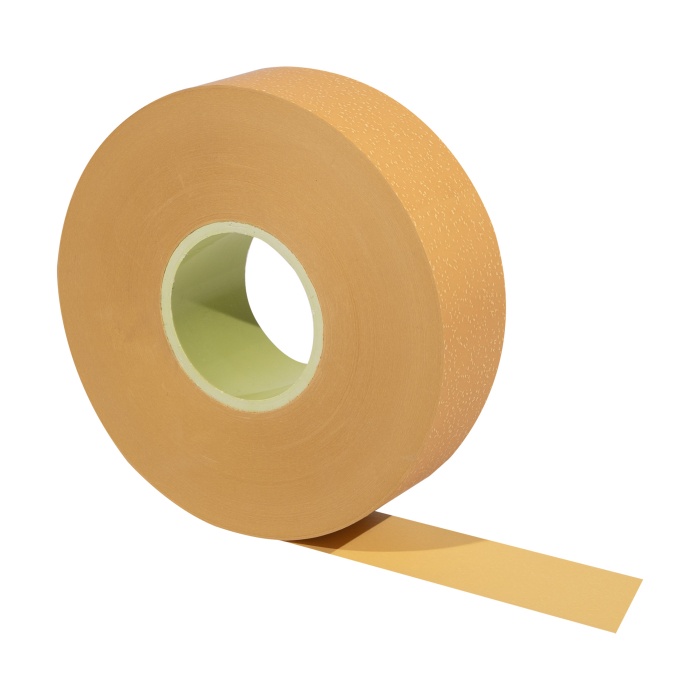
1. The Fundamental Role of Tipping Paper
Before delving into specifications, it is crucial to understand what tipping paper does. Unlike cigarette paper, which wraps the tobacco rod and influences burn rate, tipping paper serves three primary functions:
- Aesthetic and Branding: It is the most visible part of the cigarette. Its color, texture, printing quality, and watermark communicate premium or value positioning.
- Structural Integrity: It connects the filter plug to the tobacco rod, ensuring the cigarette does not separate during use.
- Ventilation Control: Through precision laser perforation or electrostatic porosity, tipping paper regulates the dilution of smoke with air, directly impacting tar and nicotine yields.
For exporters, this multifunctionality means that quality is not a single metric but a constellation of interdependent parameters.
2. Critical Quality Parameters for Exporters
International buyers—whether multinational corporations or regional manufacturers—operate with rigid quality benchmarks. The following parameters are non-negotiable in any serious export transaction.
2.1. Basis Weight (GSM)
Basis weight, measured in grams per square meter (GSM), is the fundamental property influencing thickness, opacity, and stiffness. Standard tipping paper ranges from 30 to 60 GSM, with premium segments often favoring heavier grades for a more substantial mouthfeel.
- Exporter Alert: Batch-to-batch variation must be kept within ±3%. A deviation of 2 GSM may seem trivial, but it alters the machine’s tension during high-speed filter assembly (running at 8,000–12,000 cigarettes per minute). Consistency is more valuable than absolute weight.
2.2. Porosity and Permeability
Porosity—measured in Coresta units (cm³/min) or Gurley seconds—dictates air flow through the paper. This directly affects the cigarette’s draw resistance and smoke chemistry.
- Low Porosity (5–20 Coresta): Used for full-flavor products.
- High Porosity (40–80+ Coresta): Essential for “lights” or “ultra-lights” where ventilation is critical.
Critical Consideration: Exporters must calibrate porosity to the destination market’s regulatory limits. For example, the EU’s Tobacco Products Directive (TPD) mandates that cigarettes delivering more than 10 mg of tar must have specific ventilation levels. Supplying incorrect porosity paper can render the entire finished product non-compliant.
2.3. Optical Properties: Brightness, Opacity, and Shade Consistency
Tipping paper is a canvas for branding. Buyers demand:
- Brightness (ISO 2470): Typically >85% for white tipping papers. Yellowing or grey undertones are immediate rejection criteria.
- Opacity: Must be high enough to hide the filter material beneath. Insufficient opacity reveals glue lines or charcoal particles in specialty filters, destroying the premium aesthetic.
- Shade Matching: For colored tipping papers (cork, beige, or custom PMS colors), the ΔE (color deviation) must be <1.0 under standard D65 lighting. Human visual inspection is subjective; exporters must rely on spectrophotometric data.
2.4. Mechanical Strength: Tensile and Tear Resistance
During high-speed processing, tipping paper undergoes immense mechanical stress. Key metrics include:
- Tensile Strength (MD/CD): Machine direction (MD) strength is critical for web feeding; cross direction (CD) strength prevents edge tearing.
- Wet Tensile: Often overlooked, but crucial in humid climates. If the paper loses strength when exposed to high ambient moisture (common in tropical export destinations), it will break on the production line.
Exporter Standard: Tensile strength should not drop below 2.5 kN/m in MD for standard grades, with specific values adjusted for lower GSM papers.
2.5. Surface Roughness and Printability
Most tipping paper is gravure or flexo-printed with brand logos, text, and sometimes decorative patterns. Surface roughness (measured in Bekk seconds or PPS) determines ink transfer quality.
- Smoothness: A PPS value of <3.5 µm is preferred for high-definition printing.
- Ink Adhesion: Cross-hatch tape tests must show zero delamination. In export shipments, ink flaking is a leading cause of complaints, as it not only ruins aesthetics but also raises hygiene concerns.
2.6. Migration and Food-Safety Compliance
This is the most legally sensitive parameter. Tipping paper comes into direct contact with the smoker’s lips and indirectly with the smoke stream. Consequently, it must comply with food-contact material standards in the destination country.
- Heavy Metals: Lead, cadmium, mercury, and hexavalent chromium must be below detection limits (typically <1 ppm).
- Primary Aromatic Amines (PAAs): Certain dyes used in colored papers can degrade into carcinogenic amines. Exporters must provide certified test reports per EN 14362 or similar standards.
- Optical Brighteners: Some markets (notably the EU) restrict or require declaration of fluorescent whitening agents due to potential dermal sensitivity.
3. Regulatory Landscapes: A Regional Breakdown
Exporters cannot apply a one-size-fits-all compliance strategy. The regulatory framework varies dramatically across geographies.
3.1. European Union (EU) and UK
The EU TPD (2014/40/EU) is arguably the world’s most stringent framework. Beyond emission limits, it mandates:
- Traceability: Tipping paper must not interfere with the unique identifier (UID) coding systems used for track-and-trace.
- Ingredient Disclosure: Any additive in the paper (flavorants, burn modifiers) must be declared and approved.
- Reach and CLP: Chemical substances must be registered under REACH, with Safety Data Sheets (SDS) provided.
Exporter Action: Maintain a technical dossier for each SKU, including full compositional disclosure. Many European buyers will audit your pulp sourcing and bleaching processes (demanding ECF – Elemental Chlorine Free or TCF – Totally Chlorine Free certification).
3.2. United States (FDA)
The FDA regulates tobacco products under the Family Smoking Prevention and Tobacco Control Act. While tipping paper itself is not a “tobacco product,” it is a “component or part” and thus subject to:
- Substantial Equivalence (SE): If the paper’s ventilation or composition changes, the manufacturer must file a new SE report.
- Harmful and Potentially Harmful Constituents (HPHCs): The paper’s contribution to HPHC levels must be understood and reported.
Exporter Action: Be prepared to provide detailed specifications for FDA’s Premarket Tobacco Application (PMTA) submissions, even if you are only the supplier. Your buyer will request full material characterization.
3.3. Asia-Pacific (China, Japan, Southeast Asia)
This region is characterized by diverse climatic and regulatory conditions:
- China (GB Standards): Mandates strict limits on formaldehyde and volatile organic compounds (VOCs).
- Japan (JTI Standards): Often proprietary and more demanding than international norms, particularly on sensory aspects (odor neutrality).
- Southeast Asia: Increasingly adopting TPD-like frameworks, but with less rigorous enforcement. Here, price competition is fierce, but quality failures (e.g., mold growth due to improper antifungal treatment) are common due to tropical storage.
4. The Export Packaging and Logistics Challenge
Quality does not end at the factory gate. Tipping paper is hygroscopic; it absorbs moisture from the air, altering its porosity and mechanical properties. Export packaging must mitigate this.
- Moisture Barrier: Use of aluminum foil-lined inner wraps and outer corrugated boxes with polyethylene liners.
- Climate-Controlled Containers: For long sea freight through humid zones (e.g., Panama Canal, Malacca Strait), consider desiccants or even reefer containers if the paper is highly specialized.
- Palletization: Ensure pallets are ISO-compliant and heat-treated (ISPM 15) for phytosanitary requirements, even though paper is not organic—customs authorities often enforce this generically.
Critical Documentation:
- Certificate of Analysis (CoA) for each batch, signed by an accredited lab.
- Material Safety Data Sheet (MSDS) in the language of the destination country.
- Origin Certificate and, where applicable, FSC/PEFC certification for sustainable pulp sourcing.
5. Common Defects and Root Cause Analysis
Experienced exporters maintain a defect matrix to preemptively address buyer complaints. The most frequent rejection reasons include:
|
Defect |
Probable Cause |
Preventive Action |
|
Wavy Edges / Curling |
Uneven moisture content across the web | Condition paper in a controlled environment before slitting |
| Print Mottling | Inconsistent surface porosity or ink viscosity | Real-time densitometer feedback during printing |
| Delamination (Layer Separation) | Inadequate starch or PVA binder formulation | Calibrate adhesive levels with the base paper porosity |
| Static Cling | Low ambient humidity during converting | Install static eliminators; maintain 45-55% RH in plant |
| Pinholes / Light Spots | Contaminants in the pulp slurry or wear on the Fourdrinier wire | Enhanced filtration; scheduled wire replacement |
6. The Commercial Imperative: Certifications and Audits
In the export business, technical capability is table stakes. What differentiates winning suppliers is their operational transparency. Major buyers will conduct comprehensive factory audits—often unannounced—assessing:
- ISO 9001: Quality Management System (non-negotiable).
- ISO 14001: Environmental Management (increasingly demanded by Western buyers).
- BRC / IFS: For food-grade packaging, though not mandatory, it provides a competitive edge.
- Chain of Custody: FSC certification assures buyers that your pulp does not originate from protected rainforests.
Exporter Strategy: Preempt the audit by maintaining a “Golden Sample” of each exported grade, signed off by both parties before shipment. This sample becomes the arbitration standard in case of disputes.
7. Emerging Trends Shaping Future Specifications
Forward-looking exporters must anticipate shifts in buyer requirements:
- Sustainable Materials: Demand for bamboo, hemp, or flax-based pulp blends is rising. These alter porosity and strength profiles—exporters must invest in R&D to offer “green” alternatives without compromising runnability.
- Water-Based Inks: With solvent-based inks under regulatory scrutiny, buyers are transitioning to water-based flexo inks. These require different surface treatments (corona priming) to ensure adhesion.
- Smart Tipping Papers: Some innovators are integrating QR codes or micro-textures for anti-counterfeiting. This adds a layer of complexity in register control during printing.
Conclusion: From Compliance to Partnership
For the discerning exporter, tipping paper is not merely a roll of cellulose web—it is a precision-engineered interface that bridges chemistry, physics, and aesthetics. Success in this domain demands a philosophy of “total quality management” that extends from pulp sourcing to port delivery.
The exporters who thrive are those who treat specifications as a dialogue, not a dictate. They engage with buyers early in the product development cycle, offering technical expertise on how porosity adjustments affect taste or how grammage changes can reduce shipping costs. They invest in in-house testing laboratories so that every reel is certified before it reaches the container.
In a market where the cost of failure is not just financial but reputational, rigorous adherence to quality and specifications is the only sustainable export strategy. The paperwork may be tipping, but the commitment to excellence must never waver. By mastering the technical nuances outlined in this guide, exporters can transform a functional component into a strategic advantage—one reel, one shipment, and one trusted partnership at a time.

Post time: Sep-03-2026


