
In the landscape of modern energy storage, Valve-Regulated Lead-Acid (VRLA) batteries stand as a cornerstone technology, powering everything from backup systems and renewable energy storage to automotive applications. At the very heart of their reliability, safety, and performance lies a critical component: the Absorbent Glass Mat (AGM) separator. This specialized material is not merely a passive barrier but an active enabler of the VRLA battery’s defining characteristics. This ultimate guide delves into the science, engineering, and critical role of AGM separators, exploring how they power the modern VRLA battery.
Chapter 1: Understanding VRLA Battery Fundamentals
Before dissecting the separator, it’s essential to understand the ecosystem it operates within. VRLA batteries are a type of sealed lead-acid battery. Unlike their flooded counterparts, they are designed to recombine internally generated oxygen and hydrogen back into water, eliminating the need for regular watering and allowing for a maintenance-free operation. This recombination happens under controlled, minimal pressure—hence “valve-regulated.”
VRLA batteries come in two primary technologies based on their electrolyte immobilization method:
- Gel Technology: Where the electrolyte is immobilized in a silica gel.
- AGM Technology: Where the electrolyte is absorbed and held in a fine fiberglass mat separator.
AGM technology has gained immense popularity due to its superior power density, faster charging, robustness, and versatility. The key to its success is the ingenious design and function of the AGM separator itself.
Chapter 2: The AGM Separator – Anatomy and Materials
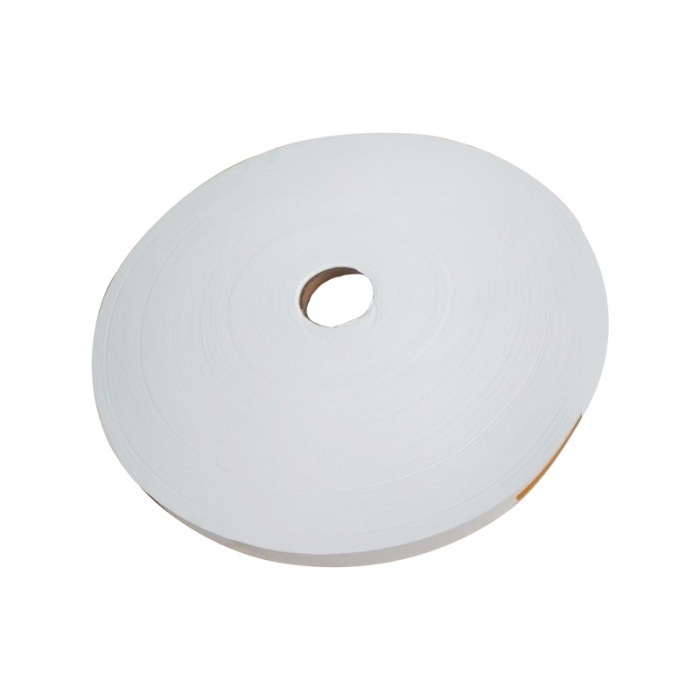
An AGM separator is a highly engineered, microporous mat placed between the positive and negative plates of a lead-acid battery.
Core Composition:
- Glass Microfibers: The primary constituent, typically made from borosilicate glass. These fibers are incredibly fine, often with diameters in the micrometer range. They are non-woven, meaning they are randomly laid to form a dense, porous network.
- Binders: A small percentage of organic or inorganic binders (like acrylic polymers) is used to provide the mat with structural integrity, tensile strength, and resistance to oxidation from the positive plate.
- Pore Structure: The manufacturing process creates a vast network of interconnected micropores. This structure is paramount, typically comprising over 90% void volume.
Key Physical Properties:
- High Porosity & Pore Size Distribution: Ensures optimal electrolyte absorption and retention while facilitating gas transport.
- Electrolyte Wicking & Retention: The glass fibers have a strong capillary action, “wicking” the sulfuric acid electrolyte throughout the mat and holding it firmly in place.
- Compression Resistance: The mat must maintain its structure and pore volume under the significant compression applied during battery assembly, which is crucial for plate contact and longevity.
- Chemical Stability: It must resist degradation in a highly acidic, electrochemically active environment over a wide temperature range.
- Electrical Insulation: It must perfectly isolate the positive and negative plates to prevent short circuits, while allowing ionic current to flow freely.
Chapter 3: The Multifunctional Role of the AGM Separator
The AGM separator is the multitasking hero of the VRLA battery, performing several life-sustaining functions simultaneously.
1. Electrolyte Immobilization:
This is its most fundamental job. The separator absorbs and retains the exact quantity of electrolyte needed for the battery’s electrochemical reactions. Unlike a flooded battery, there is no free liquid. This immobilization enables the battery to operate in any orientation without leakage, a critical feature for mobile applications.
2. Facilitating the Oxygen Recombination Cycle:
This is the defining process of a VRLA battery. During overcharge, oxygen is generated at the positive plate. In an AGM battery, the separator’s fine pore structure creates a labyrinth of dry gas channels. This oxygen gas travels through these channels to the negative plate, where it reacts with lead to form lead oxide, which then reacts with sulfuric acid to reform water. The AGM separator’s controlled saturation (typically 90-95%) is key—it leaves just enough pore space open for this crucial gas transport, making the recombination process over 99% efficient.
3. Providing Mechanical Support & Plate Compression:
The AGM separator is assembled under compression between the battery plates. This compression:
- Maintains intimate contact between the separator and the plates, ensuring efficient current collection and reducing internal resistance.
- Holds the active material on the plates firmly in place, significantly reducing shedding and extending cycle life, especially in deep-cycle applications.
- Gives the entire battery block structural rigidity, making it highly resistant to vibration and shock—a major reason for AGM’s dominance in automotive start-stop and military applications.
4. Enabling High Current Delivery:
The thin, compressed design and intimate plate contact minimize the distance ions must travel (the “ion path”). This results in very low internal resistance (often denoted as Low Internal Resistance or LIR technology). Consequently, AGM batteries can deliver very high burst currents (e.g., for engine starting) and accept high charge currents (e.g., from regenerative braking or fast chargers) more efficiently than other lead-acid types.
Chapter 4: Manufacturing and Design Considerations
The performance of an AGM battery is directly tied to the quality and design of its separator.
Manufacturing Process: Glass is melted and spun into ultrafine fibers. These fibers are suspended in a slurry, formed into a sheet on a screen, dried, and cured with binders. The process is tightly controlled to achieve the target thickness, density, porosity, and tensile strength.
Critical Design Variables:
- Fiber Diameter and Mat Density: Finer fibers create smaller pores and better capillary action but can restrict gas flow. A balance is struck by using a blend of fiber sizes.
- Separator Thickness and Compression: Thickness is chosen based on application. Deep-cycle batteries may use thicker separators for more electrolyte reserve and protection against dendrite growth. The applied compression ratio is a critical factory setting.
- Saturation Level: As mentioned, the degree of electrolyte saturation is meticulously controlled. Too high, and gas transport suffers; too low, and ionic conductivity drops.
Chapter 5: Applications Powered by AGM Technology
The unique benefits unlocked by the AGM separator have made VRLA batteries the preferred choice in demanding fields:
- Automotive: Start-Stop systems, regenerative braking support, and premium primary batteries demand the high cycling, vibration resistance, and power of AGM.
- Uninterruptible Power Supplies (UPS): For data centers and critical infrastructure, AGM batteries offer maintenance-free, reliable, and safe backup power.
- Renewable Energy Storage: In solar and wind systems, AGM batteries handle the daily charge/discharge cycles effectively.
- Marine & RV: Their leak-proof nature and ability to handle deep cycles make them ideal for mobile power and trolling motors.
- Telecommunications: Used in remote sites for reliable, long-lasting backup.
Chapter 6: Advantages, Limitations, and Comparison
Advantages of AGM (Enabled by the Separator):
- Maintenance-free and leak-proof.
- High power density and low internal resistance.
- Excellent vibration/shock resistance.
- Good charge acceptance and efficiency.
- Long shelf life with low self-discharge.
- Can operate in various orientations.
Limitations:
- Generally more expensive than flooded batteries.
- Sensitive to overcharging and high temperatures, which can dry out the separator irreversibly.
- While advanced, the recombination cycle is not 100% perfect, and valves may vent under severe abuse.
Comparison with Gel: Gel batteries use a thixotropic gel electrolyte. They typically have slightly lower power density but can tolerate deeper discharges and wider temperature ranges better in some cyclic applications. They are less sensitive to overcharge but can suffer from voids and acid stratification if not charged correctly. AGM generally excels in high-power and high-vibration scenarios.
Chapter 7: Future Trends and Innovations
The humble AGM separator continues to evolve:
- Advanced Materials: Integration of silica, polymers, or nanomaterials to enhance stability, reduce resistance, or improve recombination efficiency.
- Hybrid Designs: Combining AGM with gel elements or capacitive materials to create batteries with even better performance profiles (e.g., UltraBattery™).
- Sustainability: Focus on recyclability of separator materials and more efficient manufacturing processes.
- Enhanced Durability: Research into separators that further extend cycle life under high-temperature or high-rate partial-state-of-charge (HRPSoC) conditions, common in modern automotive applications.
Conclusion
The AGM separator is far more than just a spacer. It is the central nervous system of the modern VRLA battery, orchestrating electrolyte management, enabling the vital oxygen cycle, providing structural integrity, and unlocking high-power performance. Its sophisticated design transforms the traditional lead-acid chemistry into a sealed, robust, and versatile power source that meets the rigorous demands of the 21st century. From keeping the lights on in a data center to starting your car in sub-zero temperatures, it is the silent, unseen innovation inside the battery case that makes reliable power possible. As energy storage needs grow more complex, the ongoing innovation in AGM separator technology will continue to be a key driver in the evolution of lead-acid batteries.
Post time: Dec-11-2025