
In the evolving landscape of energy storage, valve-regulated lead-acid (VRLA) batteries and absorbent glass mat (AGM) batteries have become indispensable across automotive, industrial, and backup power applications. While much attention is given to active materials, grid design, and separator technology, one component that plays a quietly critical role is pasting paper. This thin, lightweight nonwoven material—typically weighing just 30–35 gsm—is fundamental to both the manufacturing process and the long-term electrochemical performance of modern lead-acid batteries . This article explores the multifaceted role of pasting paper in AGM and VRLA battery performance, examining its functions during production, its contributions to electrochemical efficiency, and the advanced innovations that are expanding its capabilities.
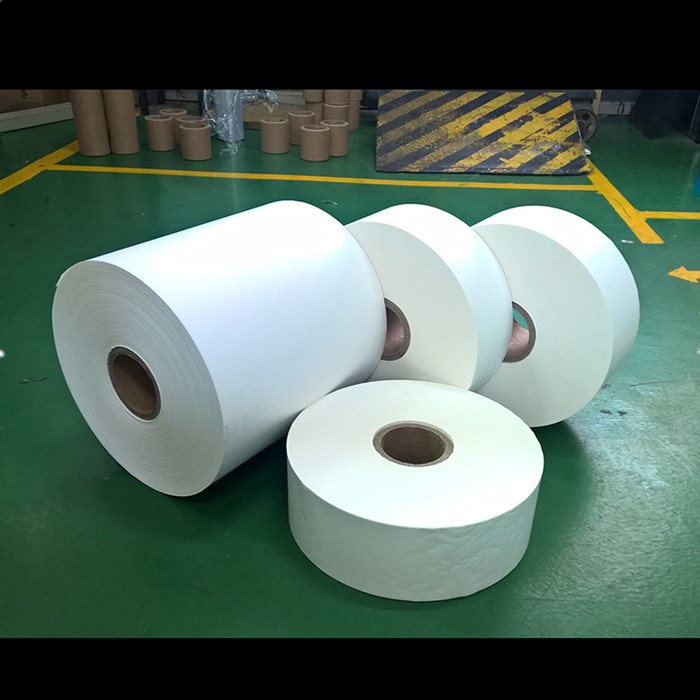
What Is Pasting Paper?
Pasting paper is a specialty nonwoven sheet, typically composed of glass microfibers, that is applied to the surface of wet lead paste during battery plate manufacturing . Unlike cellulose-based papers, all-glass pasting paper is non-reactive to battery acid and electrolytes, does not decompose over time, and maintains its structural integrity throughout the battery’s operational life . It is produced through a wet papermaking process and is engineered to possess specific physical properties—controlled thickness (typically 0.06–0.2 mm), basis weight, acid absorption, tensile strength, and porosity .
The paper is applied to the freshly pasted grid, becoming partially embedded into the wet active material. It remains on the plate through subsequent processing steps—curing, drying, formation, and ultimately battery assembly—becoming an integral part of the electrode structure .
Role in Battery Manufacturing
Paste Containment and Process Cleanliness
The most immediate function of pasting paper is to support the wet lead paste during the pasting operation. In continuous grid pasting technology, where plates are produced at high speed, the pasting paper prevents the soft, viscous paste from slumping or being displaced from the grid structure . This containment is essential for maintaining consistent plate geometry and active material distribution.
Equally important is the paper’s role in eliminating lead dust contamination. Battery manufacturing involves handling significant quantities of lead-based pastes, which creates a risk of lead dust becoming airborne. Pasting paper effectively seals the paste surface, preventing the release of active battery materials into the production environment .
Plate Handling and Stacking Integrity
During subsequent manufacturing steps—cutting, stacking, and assembling—plates must be handled mechanically. Pasting paper provides structural reinforcement that prevents edge chipping, paste shedding, and surface damage . In stacked plate assemblies, the paper contributes to inter-plate friction and stability, ensuring that layers remain aligned during the compression and casing processes .
Electrochemical and Performance Benefits
Enhanced Active Material Utilization
One of the most significant contributions of pasting paper to battery performance is its ability to enhance active material utilization. Research by Nelson and Juergens demonstrated that a thin glass sheet pressed into the surface of wet active material can increase battery capacity, particularly at high discharge rates and low temperatures . The glass fibers, typically 5 μm in diameter, embed deeply into the active material surface and bond with the paste to form a laminate structure.
This laminate layer improves the attachment of active material to the grid and promotes more efficient utilization during discharge. The fine glass fibers are hydrophilic, meaning they wick electrolyte into the active material matrix, ensuring that more of the active mass is electrochemically accessible . This wicking effect is particularly valuable in AGM batteries, where electrolyte availability can be a limiting factor for high-rate performance.
Compression Maintenance
AGM batteries rely on the compressive force between plates to maintain intimate contact between the separator and the electrodes. Over time, compression can be lost due to material relaxation or active material expansion and contraction during cycling. All-glass pasting paper maintains consistent compression throughout battery life because it is dimensionally stable and does not degrade in the acidic environment . This compression retention is essential for maintaining low internal resistance and preventing performance fade.
Minimized Electrical Resistance
Pasting paper is designed with a pore structure that promotes efficient electrolyte filling and minimizes electrolytic stratification. The pore size distribution is carefully engineered to balance acid uptake speed (wicking rate) with retention capability . This ensures that the active material remains adequately saturated, reducing localized concentration gradients that contribute to stratification.
Importantly, high-quality pasting paper adds negligible electrical resistance to the battery assembly. The thin, porous glass fiber network allows ionic transport with minimal impedance, supporting high-rate discharge performance .
Extended Cycle Life
Batteries incorporating pasting paper exhibit improved cycling performance. The paper prevents interference with other substrates in the battery construction and creates a stable interface that withstands repeated volume changes during charge-discharge cycling . By maintaining paste adhesion and reducing shedding of active material, pasting paper helps preserve capacity over extended cycling regimes.
Advanced Innovations in Pasting Paper Technology
Functionalized Pasting Papers
The evolution of pasting paper extends beyond passive performance. Advanced products such as PowerAmp™ from Hollingsworth & Vose incorporate functional additives that actively enhance battery performance. These functionalized pasting papers, applied to the negative electrode, increase dynamic charge acceptance (DCA), maintain DCA over battery life, and extend cycle life . Charge acceptance is a critical parameter for batteries used in start-stop vehicles and other applications requiring frequent regeneration.
Fiber Blends and Additives
Innovation in pasting paper composition continues to expand performance possibilities. Some formulations incorporate carbon graphite or conductive additives to improve electron flow and extend battery life, particularly in cranking cycles at low operating temperatures . These conductive reinforcement mats provide an additional route for electron transport, complementing the grid conductor and maintaining connectivity as the electrode surface sulfates over time.
Other advanced pasting paper designs utilize carefully engineered fiber blends to achieve an optimal balance between specific surface area, tensile strength, and mean pore size . This balance translates to improved resistance to acid stratification, enhanced processability, and superior paste adhesion.
Soluble Content Technologies
Emerging technologies incorporate acid-soluble glass fibers within pasting paper. Upon exposure to electrolyte, these soluble fibers dissolve, creating controlled voids within the mat structure . These voids enhance acid absorption and improve filling efficiency, potentially reducing production costs while improving battery capacity and cycle life . This approach represents an example of how pasting paper can be engineered not just as a passive component but as an active contributor to electrolyte management.
Comparison with Cellulose Alternatives
All-glass pasting paper offers distinct advantages over cellulose-based alternatives. Cellulose fibers can decompose or dissolve in acidic electrolytes, potentially releasing degradation products that harm battery performance . Cellulose papers may also exhibit less compression stability over time, contributing to performance loss. All-glass pasting paper, in contrast, maintains acid resistance, compression stability, and dimensional integrity throughout the battery’s service life .
Applications
AGM pasting paper is used across a wide range of battery applications where continuous grid pasting technology is employed . Key applications include:
- Light passenger vehicles, where starting, lighting, and ignition (SLI) performance is critical
- Commercial truck batteries, which demand high reliability and long service life
- Motorcycle batteries, where compact designs and vibration resistance are essential
- Backup power systems for data centers, uninterruptible power supplies (UPS), and telecommunications networks
In each of these applications, pasting paper contributes to the manufacturing yield, performance consistency, and operational reliability that battery manufacturers and end users depend upon .
Conclusion
Pasting paper plays an indispensable role in the performance and reliability of AGM and VRLA batteries. From its initial function as a process aid that supports wet paste and eliminates lead dust, to its enduring contributions to active material utilization, compression retention, and cycle life, this thin glass fiber material is far more than a manufacturing convenience—it is a performance enabler.
As battery technology continues to advance, pasting paper is evolving alongside it. Functionalized papers, conductive additives, soluble fiber technologies, and optimized fiber blends are expanding what this component can deliver. For manufacturers seeking to improve battery performance—whether in terms of cold cranking, dynamic charge acceptance, cycle life, or production efficiency—pasting paper represents a proven and increasingly sophisticated tool.
In an industry where every component is scrutinized for its contribution to performance and cost, pasting paper stands as a testament to how a seemingly humble material can have a profound impact on battery capability and durability.
Post time: Sep-10-2026


