
In the demanding realms of aerospace engineering and fire-protection systems, material selection is not merely a matter of performance—it is a matter of survival. Components must withstand extreme thermal gradients, resist ignition, maintain structural integrity under stress, and in many cases, protect human lives from the devastating effects of fire. Among the advanced materials meeting these rigorous demands is micro glass fiber, a remarkably versatile substance whose unique properties make it indispensable for modern safety-critical applications .
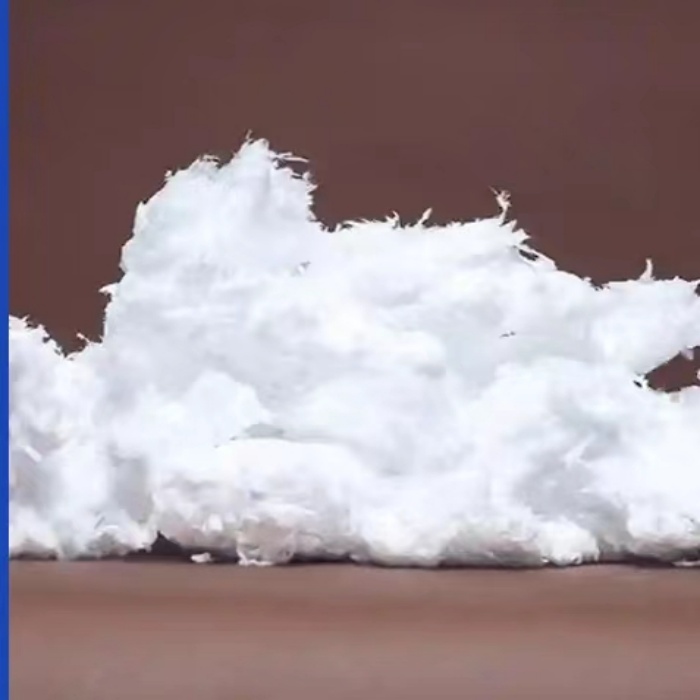
Micro glass fiber refers to ultra-fine strands of glass, typically with diameters ranging from sub-micron levels to several micrometers—significantly thinner than a human hair . These fibers are produced by melting high-purity raw materials such as silica sand, limestone, and soda ash, then fiberizing the molten glass through centrifugal spinning, blowing, or drawing processes . The resulting material possesses an exceptional combination of properties: inherent non-flammability, high thermal stability, chemical inertness, and a remarkable strength-to-weight ratio . This article explores how these characteristics translate into enhanced safety across aerospace and fire-protection systems, examining both the scientific principles and practical applications that make micro glass fiber a critical component of modern safety engineering.
The Material Science Behind Micro Glass Fiber
Composition and Manufacturing
Micro glass fibers are engineered from specialized glass compositions, each tailored to specific performance requirements. The most common variants include E-glass (electrical-grade), C-glass (chemical-resistant), and biosoluble compositions designed to address health and environmental considerations . Borosilicate-based fibers, for instance, retain structural integrity up to approximately 550°C to 600°C, while high-purity silica and quartz fibers can withstand continuous temperatures exceeding 1000°C .
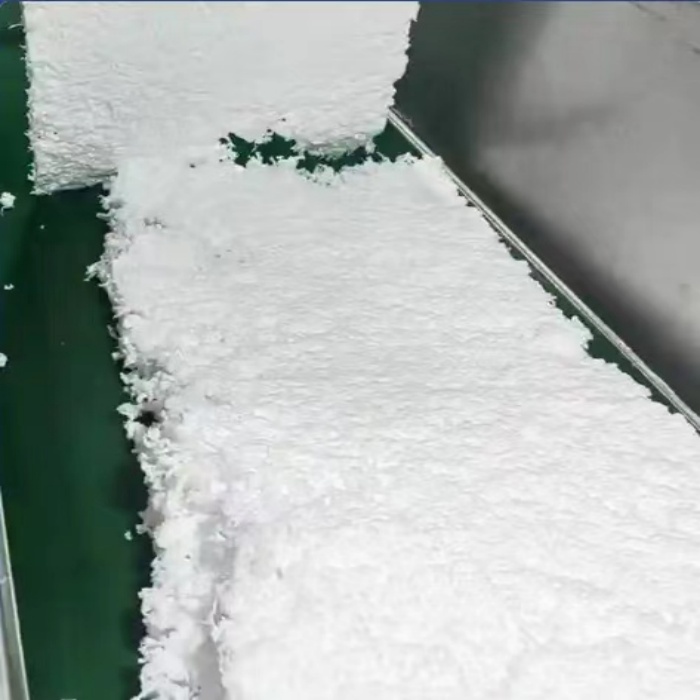
The manufacturing process begins with melting raw materials at temperatures ranging from 1300°C to 1600°C. The molten glass is then fiberized through centrifugal spinning, where rotating spinnerets eject fine streams of glass that are rapidly cooled and attenuated into microfibers. An atomized resin binder may be applied to form uniform mats, which are subsequently cured and shaped into commercial products such as boards, blankets, felts, and papers .
Critical Physical Properties
The safety-enhancing capabilities of micro glass fiber derive from several fundamental physical properties:
Non-Flammability: Unlike organic materials that combust or melt at elevated temperatures, micro glass fibers are inherently non-combustible. The fibers do not burn, shrink, or release toxic smoke when exposed to flame. At extreme temperatures, they eventually soften but remain as a physical barrier .
Low Thermal Conductivity: The ultra-fine fibers trap significant volumes of air within their porous structure, creating an effective thermal insulation layer. Research has demonstrated thermal conductivity as low as 0.0482 W/(m·K) for rigid glass micro/nano fiber porous materials . This low conductivity slows heat transfer, providing critical thermal protection.
High Surface Area to Volume Ratio: The microscopic diameter of these fibers yields an enormous specific surface area. This characteristic enhances both sound absorption through frictional energy dissipation and thermal insulation through increased scattering of phonons .
Chemical Durability: Micro glass fibers resist attack from most chemicals, moisture, and corrosive environments, ensuring long-term performance stability even in harsh aerospace and fire-protection conditions .
Dimensional Stability: The material exhibits minimal expansion or contraction with temperature changes, maintaining the integrity of protective barriers and insulation systems even under thermal shock conditions .
Micro Glass Fiber in Aerospace Applications
Aircraft Insulation Systems
Perhaps the most critical application of micro glass fiber in aerospace is in aircraft thermal and acoustic insulation systems. The material is used in the manufacture of glass fiber papers that serve as essential components of aircraft and aerospace insulation . These systems perform multiple safety functions simultaneously.
From a thermal perspective, micro glass fiber insulation protects aircraft structures and onboard systems from both external and internal heat sources. The low thermal conductivity of the material creates a barrier that prevents heat from penetrating fuselage structures during normal operations and emergency scenarios. Modern composite materials, such as those incorporating polyimide resin binders, demonstrate exceptional ablation performance and stable application below 400°C, making them suitable for integration into advanced aerospace structures .
The acoustic insulation properties of micro glass fiber also contribute to safety. Sound absorption coefficients reaching as high as 0.91 have been achieved in rigid glass fiber porous materials . By reducing cabin noise levels, these materials improve pilot communication clarity and passenger comfort, indirectly supporting safer operations.
Fire Protection in Aircraft
Fire safety is paramount in aviation, where onboard fires present catastrophic risks. Micro glass fiber materials serve as passive fire barriers within aircraft structures, preventing flame propagation between compartments and protecting critical systems.
When combined with aluminum panels, micro glass fiber insulation can dramatically reduce high temperatures—research has shown that a 20 mm thick sample reduced temperatures from 1000°C to 99.6°C . This thermal blocking capability provides precious time for emergency procedures and reduces the likelihood of structural failure during fire events.
Advanced Aerospace Composites
Recent innovations have produced honeycomb-embedded micro glass fiber composites that synergistically enhance multiple performance criteria. These materials incorporate micro glass fibers within silica aerogel matrices, with polyethylene glycol (PEG) mediation improving interfacial bonding and structural integrity . Such composites achieve burst strengths of up to 177 N and maximum longitudinal tensile strengths of 1.01 MPa . Importantly, these materials are finding applications in aerospace noise reduction, where their sound transmission loss reaches 37 dB while maintaining robust thermal insulation .
The market for these high-end aerospace materials has traditionally been dominated by a few international players, but recent developments have seen manufacturers from emerging economies successfully enter the global supply chain, with products certified for use in indigenous commercial aircraft . This expansion of supply sources is making advanced aerospace insulation more accessible while maintaining rigorous safety standards.
Health and Safety Considerations
Given that micro glass fibers are used extensively in aircraft interiors and insulation systems, occupational and passenger safety considerations are paramount. The material classification under regulatory frameworks acknowledges that certain glass microfibers may cause temporary mechanical irritation to exposed eyes, skin, or respiratory tracts . However, modern biosoluble glass compositions have been engineered to be more soluble in lung fluid than traditional fibers, addressing regulatory concerns and opening doors to applications with stricter safety protocols without sacrificing performance .
Occupational exposure limits have been established by various authorities, with manufacturer-recommended exposure levels typically set at 0.5 fibers per cubic centimeter as an 8-hour time-weighted average . Proper handling procedures and protective equipment ensure that the benefits of micro glass fiber can be realized without undue risk to workers.
Fire-Protection Systems and Micro Glass Fiber
Fire Barriers and Flame-Resistant Layers
Micro glass fiber’s inherent non-combustibility and thermal insulation properties make it ideal for fire barriers that protect flammable core materials. The material functions as a passive fire-protection layer, creating a physical separation between ignition sources and combustible substrates.
In mattress and upholstered furniture fire protection, micro glass fiber layers provide a critical defense against open-flame ignition sources. A notable patent describes a fire-resistant layer comprising biosoluble glass microfibers with average diameters ranging from 1.0 to 5.0 microns strategically positioned to protect highly flammable core materials . The fine fiber diameter (preferably 1.0 to 3.0 microns) offers better thermal insulation and resistance to flame penetration while maintaining comfort in the finished product . This application demonstrates that micro glass fiber can provide fire protection without the use of chemical flame retardants, avoiding issues of off-gassing, material stiffness, and temporary durability associated with chemical treatments .
High-Temperature Industrial Applications
Beyond consumer products, micro glass fiber finds extensive use in high-temperature industrial fire-protection applications. Weld blankets, expansion joint seals, firestop pillows, and engine bay insulation all rely on the thermal stability of micro glass fiber. Felt or needled mat forms (with mechanically interlocked fibers, no binder) can withstand continuous temperatures of 550°C and intermittent exposures up to 800°C . This capability makes micro glass fiber a substrate of choice for ceramic coatings in industrial ovens and as protective shrouds for aircraft engines and exhaust systems.
Building and Infrastructure Fire Safety
The construction industry also benefits from micro glass fiber’s fire protection capabilities. Building insulation incorporating micro glass fiber contributes to both energy efficiency and fire safety. As governments and industries focus on reducing energy consumption and minimizing environmental impact, micro glass fiber products play an increasingly important role . In building insulation applications, micro glass fiber’s fire resistance ensures that insulation materials do not contribute to flame spread, providing occupants with additional evacuation time during fire events.
Synergistic Composites for Enhanced Fire Protection
Recent materials science advancements have produced composites that combine micro glass fiber with other high-performance materials for superior fire protection. One approach uses glass micro/nano fibers as the skeleton with polyimide resin as the binder, creating 3D anisotropic network materials with compressive strength of 0.945 MPa and high resilience ratio of 90.02% at 20% strain . When combined with aluminum panels, these materials provide exceptional thermal insulation and fire resistance. The close interfacial bonding between the fiber skeleton and resin binder enables stable application below 400°C .
Another innovative composite combines micro glass fiber with SiO2 aerogel in a honeycomb structure, achieving synergistic enhancement of acoustic performance, mechanical strength, and thermal insulation. These materials exhibit excellent thermal stability, with surface temperatures remaining at 31.8°C after 600 seconds of heating at 50°C . Such composites show broad prospects in aerospace, transportation, and building noise reduction while simultaneously serving as effective thermal barriers.
Emerging Innovations and Future Directions
Biosoluble Fiber Development
One of the most significant recent innovations has been the development of low bio-persistence fibers. New alkaline earth silicate (AES) wool compositions are designed to be more soluble in lung fluid than traditional fibers, addressing regulatory concerns and enabling applications with stricter safety protocols . This innovation supports the continued use of micro glass fiber in sensitive environments such as aircraft cabins and medical facilities while maintaining the fire-protection benefits that have made the material indispensable.
Surface-Modified Fibers
Through plasma treatment, chemical vapor deposition, or the application of specialized sizings, the surface of micro glass fibers can be permanently altered to enhance specific properties. Manufacturers can now create fibers that are hydrophobic or oleophobic, antimicrobial, or enhanced for composite bonding . These functionalized surfaces expand the application potential of micro glass fiber in safety-critical systems. For example, hydrophobic micro glass fibers are ideal for coalescing filters in aviation fuel systems, where water removal is essential for engine safety .
Market Trends and Sustainability
The global micro glass fiber wool market is at a critical stage of application deepening and structural evolution. The market size, valued at US$587 million in 2025, is forecast to reach US$796 million by 2032, growing at a compound annual growth rate of 4.4% . The key development trend is the continuous expansion of application scenarios and value enhancement driven by technology. Industry growth is shifting from traditional construction toward advanced industrial fields such as new energy vehicle battery systems, semiconductor cleanrooms, and high-end equipment manufacturing .
Simultaneously, automation and intelligent upgrading of production processes are becoming a clear trend, aiming to improve product consistency and reduce energy consumption and costs . Worldwide regulations on building energy efficiency and industrial emission reduction solidify micro glass fiber’s role as a high-performance insulation material, while new growth avenues are being created by demand from rapidly industrializing regions and the sustained focus on air filtration solutions following global health events .
Conclusion
Micro glass fiber represents a convergence of material science, engineering, and safety engineering that has profoundly enhanced the protection of lives and assets in both aerospace and fire-protection systems. Its unique combination of non-flammability, low thermal conductivity, chemical durability, and design flexibility enables applications ranging from aircraft insulation and fire barriers to industrial thermal protection and advanced composite materials.
The material’s inherent safety characteristics—its ability to maintain structural integrity at extreme temperatures, resist flame penetration, and slow heat transfer—provide critical protection in environments where fire and thermal threats are ever-present. As aerospace engineering pushes toward higher performance standards and fire-protection regulations become increasingly stringent, micro glass fiber continues to evolve through innovations in composition, surface modification, and composite design.
The development of biosoluble fibers addresses health considerations while maintaining performance, and the integration of micro glass fiber into advanced composites with aerogels and honeycomb structures creates multifunctional materials capable of simultaneously providing thermal insulation, fire protection, acoustic damping, and mechanical strength. These advances ensure that micro glass fiber will remain a cornerstone of safety-critical applications for decades to come.
From the insulated fuselages of commercial aircraft to the fire barriers protecting residential mattresses, from industrial weld blankets to advanced aerospace composites, micro glass fiber embodies the principle that effective safety engineering begins at the materials level. As global demand for high-performance, sustainable materials continues to grow, micro glass fiber stands ready to meet the challenge—providing the invisible protection that saves lives and preserves assets in the most demanding environments imaginable.
Post time: Aug-06-2026


