
The global battery industry is undergoing a significant transformation, driven by the accelerating adoption of electric vehicles (EVs), the expansion of renewable energy storage systems, and the continued reliance on automotive and industrial lead-acid batteries. Within this complex ecosystem, a niche yet indispensable component is gaining increasing attention: battery pasting paper. Often overlooked, pasting paper is a critical material in lead-acid battery manufacturing, and its market is poised for steady growth in the coming years.
This article provides a comprehensive global market outlook for battery pasting papers, analyzing the current market size, key drivers, major players, regional dynamics, and future trends. The market is projected to grow at a compound annual growth rate (CAGR) of approximately 4.5% from 2026 to 2032, with the market size expected to reach between $175 million and $189.89 million by 2032 . While the broader energy storage conversation often focuses on lithium-ion and next-generation technologies, the fundamental role of pasting paper in the production of reliable and efficient lead-acid batteries ensures its sustained relevance.
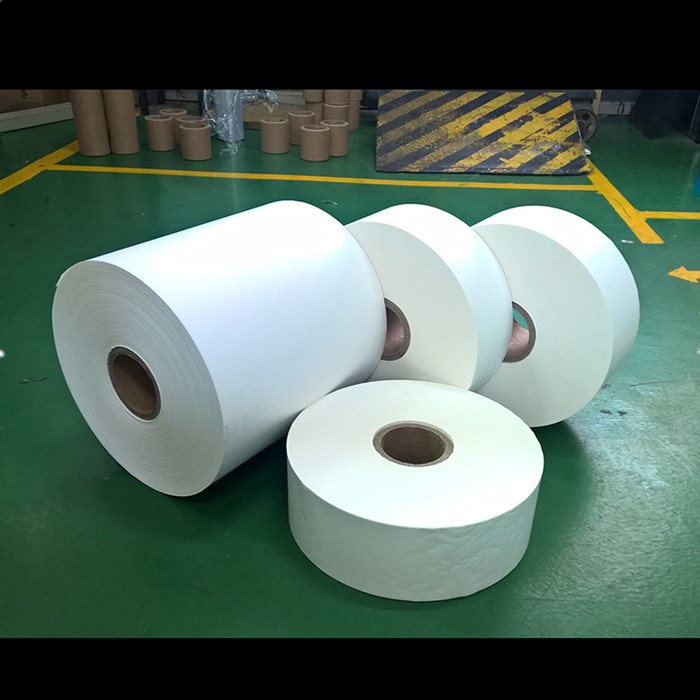
What is Battery Pasting Paper?
Before delving into market dynamics, it is essential to understand the function of pasting paper in battery manufacturing. In the production of lead-acid batteries, pasting paper is used as a substrate to coat and protect the active material (the lead oxide paste) onto the battery plates . It must adhere to the active material while preventing it from sticking between the substrates. Furthermore, the paper must leave no residue after drying, as any leftover material could compromise the battery’s performance and lifespan .
There are two primary types of pasting papers based on the material composition:
- Cellulose Pasting Papers: These are the most common type, made primarily from natural cellulose fibers. They are valued for their cost-effectiveness and adequate absorption properties.
- Fiberglass Pasting Papers: These offer superior strength, thermal resistance, and acid absorption compared to cellulose papers. They are often used in more demanding applications or for higher-performance batteries.
Market Size and Growth Projections
The global market for battery pasting papers is characterized by moderate but consistent growth. Multiple industry research reports converge on a positive outlook for the sector.
According to a study by Global Info Research, the global Battery Pasting Papers market was valued at approximately USD 124 million in 2024 . Forecasts predict a readjusted size of USD 168 million by 2031, reflecting a CAGR of 4.5% during the review period . Other projections suggest the market will reach $175 million by 2032 at a CAGR of 4.5% .
A slightly more optimistic forecast from DIResearch estimates the market will reach 189.89 Million USD by 2032, with a CAGR of 4.87% from 2025 to 2032 . When focusing specifically on the lead-acid battery segment, a more conservative growth rate of 2.9% is projected, with the market expected to grow from $91.6 million in 2024 to $112 million by 2031 .
These figures illustrate a stable and expanding market, underpinned by the enduring global demand for lead-acid batteries in various critical applications.
Key Market Drivers
Several factors are fueling the demand for battery pasting papers globally.
1. The Growth of the Automotive Industry
The automotive sector remains the largest consumer of lead-acid batteries, primarily for starting, lighting, and ignition (SLI) applications. The global automobile fleet is continuously expanding, particularly in developing nations, creating a steady demand for new batteries and replacement units. In 2019, Asia-Pacific held over 44% of the market share for pasting papers, a clear indicator of the region’s massive automotive production and aftermarket activities . As vehicle production numbers rise, so too does the demand for the materials needed to manufacture their batteries.
2. Expansion of Data Centers and Telecommunications
Lead-acid batteries, particularly Valve-Regulated Lead-Acid (VRLA) batteries, are the backbone of uninterruptible power supplies (UPS) for data centers, telecommunications networks, and critical infrastructure. The rapid expansion of cloud computing, 5G networks, and digital services has necessitated the construction of thousands of new data centers worldwide. Each of these facilities relies on vast arrays of batteries for backup power, creating a substantial and growing demand for pasting papers used in these stationary batteries .
3. Renewable Energy Storage Integration
The global push towards renewable energy sources like solar and wind power presents a significant challenge: intermittency. Energy storage systems (ESS) are critical for balancing the grid and ensuring a reliable power supply. While lithium-ion batteries dominate the headlines in this space, lead-acid batteries, particularly advanced models, continue to be a cost-effective and reliable solution for large-scale and residential energy storage . This application is a crucial growth area for pasting paper.
4. Replacement Market
The sheer volume of lead-acid batteries in use globally necessitates a large replacement market. Lead-acid batteries typically have a lifespan of 3-5 years, requiring regular replacement. This creates a consistent and predictable demand for new batteries, and by extension, pasting papers.
Competitive Landscape and Key Players
The global battery pasting papers market is consolidated, with a few key players dominating the industry. Glatfelter has historically held the leading position, followed by prominent manufacturers such as Terranova Papers (part of the Miquel y Costas Group), KUKIL PAPER, Twin Rivers Paper, and Bernard Dumas (part of the Hokuetsu Group) . In 2019, the top five players accounted for approximately 43% of the revenue market share .
Other notable participants in the market include Pelipaper (Turanlar Group), Hollingsworth & Vose, Converted Products, Inc (CPI), as well as rising Asian manufacturers like Yingkou Rijie Group, Zhejiang Pengyuan, JiangSu Dali, and Shandong Jinkeli .
The competitive landscape is shaped by factors such as product quality, consistency, supply chain reliability, and the ability to offer cost-effective solutions. As the market is relatively mature, competition often centers on optimizing production processes and developing specialized papers for high-performance battery applications.
Regional Market Analysis
The battery pasting papers market is geographically diverse, with distinct characteristics across different regions.
Asia-Pacific is the undisputed leader, accounting for over 44% of the global market share as of 2019 . This dominance is driven by the region’s status as the “world’s factory.” China, in particular, is a major hub for lead-acid battery production, catering to both its immense domestic demand for automobiles and its significant exports. Furthermore, the presence of key battery manufacturers in countries like Japan, South Korea, and India contributes to the region’s prominent share .
North America is the second-largest market, holding approximately 29% of the global share in 2019 . The region benefits from a well-established automotive industry, a high density of data centers, and a robust replacement market. The focus in North America is shifting towards high-quality, reliable components for critical infrastructure and advanced automotive applications.
Europe also represents a significant market, driven by stringent environmental regulations, a strong automotive sector, and the growing adoption of renewable energy storage solutions. The European market often demands higher-quality materials and innovative paper technologies to meet its sustainability and performance goals.
The China market is of particular interest, as it is not only the largest manufacturer but also the fastest-growing consumer of these materials. DIResearch notes that China’s battery pasting papers market has changed rapidly in recent years and is expected to account for a significant portion of the global market share in the coming years .
Challenges and Future Trends
Despite its positive outlook, the battery pasting papers market faces several challenges. The most significant long-term challenge is the competition from alternative battery technologies, such as lithium-ion. As the world transitions towards electric vehicles and next-generation energy storage, the growth rate of the lead-acid battery market is expected to slow, potentially limiting the rapid expansion of the pasting paper market .
The future of the pasting paper industry will be defined by several key trends:
Sustainability: Manufacturers are increasingly under pressure to develop more sustainable products. This includes using recycled fiber sources, producing papers that are easier to recycle, and implementing energy-efficient manufacturing processes.
Innovation in Materials: There is a growing demand for fiberglass pasting papers due to their superior properties. As batteries are required to perform under more demanding conditions (e.g., higher temperatures, deeper discharge cycles), the need for more robust substrates will increase .
High-Performance Applications: The market is seeing a shift towards specialized papers for advanced lead-acid batteries, such as those used in start-stop systems and micro-hybrid vehicles. These applications require pasting paper with specific characteristics to ensure high performance and long life.
Conclusion
The global battery pasting papers market is on a steady growth trajectory, projected to reach between $175 million and $189.89 million by 2032. As a critical component in lead-acid battery manufacturing, its fate is intrinsically linked to the enduring global demand for these batteries, driven by the automotive, telecommunications, and renewable energy sectors. While the rise of lithium-ion technology presents a long-term challenge, the extensive installed base of lead-acid batteries and their continued cost-effectiveness ensure a stable and growing demand for pasting papers in the foreseeable future .
The industry’s future success will hinge on its ability to innovate, focusing on sustainability and the development of high-performance products to meet the evolving needs of the battery market. As the industry adapts to a rapidly changing energy landscape, battery pasting papers will continue to play a vital, if often unseen, role in keeping the world powered.
Post time: Aug-06-2026


