
In the world of specialized paper products, few materials are as precisely engineered yet as widely misunderstood as plug wrapping paper. Despite its niche classification, this material plays an indispensable role in multiple industries, from the high-speed production of cigarette filters to the modern packaging of single-use items. This article explores the evolution, manufacturing, and versatile applications of plug wrapping paper, moving beyond its traditional association with tobacco to highlight its growing presence in eco-friendly packaging solutions.
Understanding Plug Wrapping Paper
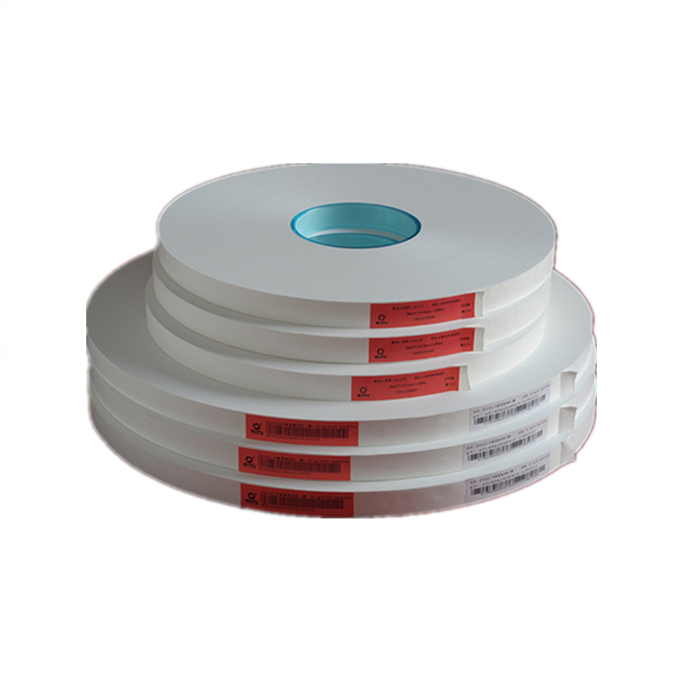
Plug wrapping paper, also known as filter plug wrap, is a specialty paper designed primarily to wrap the outer layer of filter rods. In the tobacco industry, these filters typically consist of acetate tow—a bundle of cellulose acetate fibers—which is encased in this paper to form the finished filter component of a cigarette. The term “plug” refers to the filter element itself, and the paper serves as the casing that holds it together during manufacturing and subsequent use.
The fundamental specifications of this paper are highly technical. It typically weighs between 24 and 40 grams per square meter (gsm) and is manufactured from 100% virgin wood pulp to ensure purity, strength, and food-grade safety. The manufacturing process begins with pulping—often using a blend of natural fibers such as flax, hemp, or high-grade wood pulp. These materials undergo mechanical or chemical pulping to create a slurry, which is then refined to enhance fiber flexibility and interlocking. This attention to detail ensures the final paper possesses the necessary mechanical properties to withstand the extreme speeds of modern cigarette-making machinery, which can operate at over 10,000 cigarettes per minute.
The Science of Permeability and Harm Reduction
One of the most critical characteristics of plug wrapping paper is its permeability, often measured in Coresta Units (CU). This measurement defines how much air can pass through the paper, directly influencing the smoking experience by diluting the smoke and reducing the intake of harmful substances such as tar and carbon monoxide.
Manufacturers have developed three main categories of plug wrap paper: non-porous, porous, and functional. Non-porous papers are used for products that do not require ventilation and are generally more cost-effective. Porous papers, on the other hand, feature micropores created by laser drilling or chemical treatments. These micropores allow air to enter the filter stream, diluting the smoke and significantly reducing the concentration of harmful compounds. High-porosity papers, with ratings ranging from 1000 to over 6500 CU, are often used in conjunction with perforated tipping paper to achieve precise tar reduction levels.
Additionally, functional plug wrap papers may contain adsorbents, such as activated carbon layers, which actively filter specific harmful chemicals from the smoke. This versatility allows cigarette manufacturers to tailor the sensory profile and health impact of their products. The pursuit of lower tar and nicotine yields has driven innovation in paper permeability, making it a cornerstone of the modern “light” and “low-tar” cigarette market.
Beyond Tobacco: The Rise of Eco-Friendly Packaging
While the tobacco industry remains a primary consumer of plug wrapping paper, the material has found a second life in the era of sustainable packaging. Manufacturers now produce food-grade plug wrapping paper that is non-toxic, tasteless, and easily degradable. This has opened up a new market for wrapping small, single-use items that were traditionally encased in plastic.
Specifically, this paper is widely used to individually wrap wooden or bamboo toothpicks, paper straws, PLA (polylactic acid) straws, bamboo straws, coffee stirrer sticks, and drinking straws. The shift away from plastic packaging has accelerated the adoption of paper solutions, and plug wrapping paper offers the ideal combination of strength, printability, and biodegradability. Its ability to be converted into small, precise packages makes it perfect for the food service industry, where hygiene and convenience are paramount.
Technical and Manufacturing Excellence
The production of plug wrapping paper is a testament to modern industrial precision. The sheet formation process, typically conducted on a Fourdrinier machine, requires careful control of the pulp flow and wire speed to achieve uniform thickness and smoothness. Uneven formation can lead to wrinkles or weak spots that would cause the paper to break during high-speed wrapping.
Once formed, the paper undergoes calendering—a finishing process that smooths and compresses the sheet using heated rollers. This step enhances the paper’s gloss, density, and pliability, ensuring it feeds smoothly through machinery and accepts printing or adhesive applications. The final product must also possess adequate wet strength and dimensional stability to resist moisture and maintain shape, often enhanced with sizing agents like ketene dimers and polyvinyl alcohol.
Conclusion
Plug wrapping paper is a sophisticated material whose applications have expanded significantly from its traditional role in tobacco manufacturing. By enabling precise control over filtration and ventilation, it has contributed to changes in cigarette design aimed at reducing harm. Simultaneously, its characteristics of high strength, biodegradability, and food safety have positioned it as a key player in the global shift away from single-use plastics. From the filter rods that offer a smoother smoking experience to the toothpick wrappers that keep cutlery clean, plug wrapping paper demonstrates how a highly specialized product can evolve to meet diverse industrial and environmental needs.
Post time: Jul-16-2026


