
Aluminium foil paper has become an indispensable material in kitchens and food processing industries worldwide. From wrapping leftovers to lining baking trays and packaging ready-to-eat meals, its versatility, excellent barrier properties, and heat conductivity make it a preferred choice for food contact applications. However, what many consumers and even some manufacturers overlook is that not all aluminium foil is created equal—and when it comes to direct food contact, safety and regulatory compliance are non-negotiable.
For exporters, navigating the complex landscape of international food safety standards is both a challenge and a critical business imperative. A single compliance gap can result in border rejections, costly recalls, and irreparable damage to brand reputation. This article provides a comprehensive guide to understanding food-grade aluminium foil paper, the key regulatory frameworks across major global markets, and best practices for ensuring your products meet the highest safety standards.
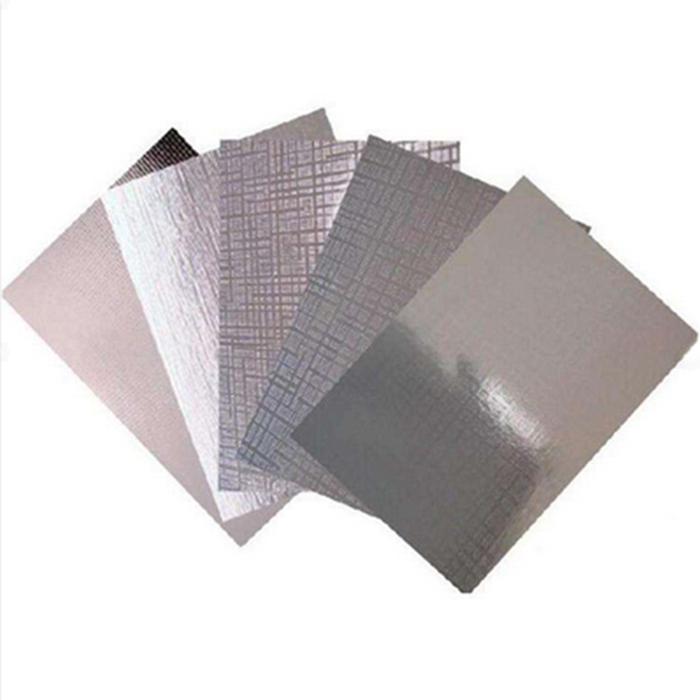
What Is Food-Grade Aluminium Foil?
Interestingly, the material commonly referred to as “tin foil” has not contained tin for decades. In the mid-20th century, aluminium replaced tin due to its superior properties and the unpleasant taste that real tin foil imparted to food . Today’s “tin foil” is almost exclusively aluminium foil.
Food-grade aluminium foil is specifically manufactured and certified for direct contact with food. It must meet strict purity requirements and pass rigorous migration testing to ensure that harmful substances do not transfer from the foil into the food. The primary safety concern is aluminium migration—the process by which aluminium ions can leach into food under certain conditions, particularly when exposed to high temperatures, prolonged contact, or acidic foods .
The risk is not theoretical. Studies have shown that aluminium migration is closely related to heating temperature, usage time, and food composition . Long-term excessive intake of aluminium can pose potential health risks, which is why regulatory bodies worldwide have established strict limits on aluminium release from food contact materials .
Key International Standards for Food-Grade Aluminium Foil
Exporters must comply with the specific requirements of their target markets. Below is a breakdown of the primary regulatory frameworks governing food-grade aluminium foil.
United States: FDA 21 CFR Part 177.1390
The U.S. Food and Drug Administration (FDA) regulates food contact materials under Title 21 of the Code of Federal Regulations. For aluminium foil, the key standard is 21 CFR Part 177.1390, which governs “Polyethylene film and other food-contact articles” but also applies to aluminium materials used in food packaging .
The FDA takes a Threshold of Regulation (TOR) approach, where materials resulting in dietary exposure below 0.5 parts per billion (ppb) may qualify for exemption from the full food additive petition process . While the FDA does not specify a minimum thickness for aluminium foil, it mandates that the material must contain at least 99.35% pure aluminium with less than 1% total alloying elements . Compliance is largely self-certified, meaning manufacturers must maintain proper testing documentation for review upon request .
It is also worth noting that common aluminium alloys used for food-grade applications include 8011, 1235, 1100, and 8079, all of which are recognized as suitable under standards like ASTM B479-19 .
European Union: Regulation (EC) No 1935/2004
The EU maintains one of the most stringent regulatory frameworks for food contact materials. Regulation (EC) No 1935/2004 establishes general requirements for all food contact materials, stipulating that they must not transfer their constituents to food in quantities that could endanger human health or change the composition or organoleptic properties of the food .
For aluminium, the EU has established a Specific Release Limit (SRL) of 5 mg of aluminium per kilogram of food, following the ALARA (As Low As Reasonably Achievable) principle . This limit aligns with the European Food Safety Authority’s (EFSA) reduction of the Tolerable Weekly Intake from 7.0 to 1.0 mg/kg body weight in 2006 .
In addition, EU regulations require that heavy metal migration—particularly lead and cadmium—be kept below 0.1 mg/kg . A mandatory Declaration of Compliance (DoC) must accompany all food contact materials placed on the EU market, and supporting documentation must be available throughout the supply chain .
China: GB 4806.9-2023
China’s food safety standards for metal contact materials have become increasingly rigorous. GB 4806.9-2023, “National Food Safety Standard – Metals and Alloys for Food Contact”, became effective on September 6, 2024, replacing the earlier 2016 version .
This standard specifies strict limits for impurity elements:
|
Element |
Limit (mg/kg) |
|
Arsenic (As) |
0.04 |
| Cadmium (Cd) | 0.02 |
| Lead (Pb) | 0.2 |
Additionally, the standard sets an aluminium migration limit of 5 mg/kg for uncoated aluminium and aluminium alloy materials and products . Products must undergo acid and alkali resistance testing with a limit of ≤0.2 mg/dm² .
For Chinese manufacturers exporting globally, compliance with GB 4806.9-2023 is essential for the domestic market and demonstrates a commitment to high-quality production standards.
Gulf Cooperation Council (GCC): GSO 2231/2012
The GCC countries follow GSO 2231/2012 and SASO 2173/2003, which largely mirror the EU’s migration limits. Total migration must remain below 10 mg per square decimeter or 60 mg per kilogram of food . Exporters targeting the GCC market should ensure their products meet these thresholds and maintain proper documentation.
Other Relevant Standards
- Japan (JIS H 4160): Specifies pinhole density requirements, mandating fewer than 50 holes per square meter for 0.02mm foil .
- India (FSSAI Packaging Regulations, 2018): The Food Safety and Standards Authority of India requires that any material intended for food contact must be of food-grade quality, with specific standards for aluminium foil laminates and bare foil listed in Schedule II of the regulations .
HS Code Classification for International Trade
Correct tariff classification is essential for smooth customs clearance and tariff compliance. For aluminium foil used in food packaging, the primary HS code is 7607.11, which applies to unbacked aluminium foil with a thickness not exceeding 0.2mm, rolled but not further worked .
However, classification can vary based on specific product characteristics:
- 7607.11: Unbacked foil, rolled on coils, for food packaging and household use
- 7607.20: Foil with paper, plastic, or other backing materials
Regional variations in 2025 include the GCC’s adoption of 12-digit HS codes and the U.S. mandate for full 10-digit HTS codes following the end of the de minimis exemption . Accurate classification is not merely administrative—it directly impacts duty rates, eligibility for free trade agreements, and customs clearance times.
Ensuring Compliance: Best Practices for Exporters
1. Source High-Quality Raw Materials
The foundation of food-grade compliance is the quality of the aluminium coil. Manufacturers should source from established suppliers who can provide certification that the material meets food-grade standards. Common alloys like 8011, 1235, and 1100 are widely recognized for food contact applications . Suppliers should be able to demonstrate that their materials comply with relevant regulations, including FDA 21 CFR 175.300 for the U.S. market and EU food safety standards .
Establishing a robust supplier evaluation system and raw material inspection procedures helps prevent substandard materials from entering the production chain .
2. Optimize Production Processes
Manufacturing controls are critical to ensuring the final product meets safety standards. Key considerations include:
- Oxide Layer Formation: The surface oxide layer on aluminium foil provides corrosion resistance. Inadequate formation or insufficient thickness can increase aluminium migration risk . Proper control of rolling, annealing, and surface treatment processes is essential.
- Surface Treatment: Chromium-free passivation coatings, such as SiO₂-based coatings, are increasingly preferred for food contact applications .
- Cleanliness: Dedicated production lines for food-grade materials help prevent cross-contamination. ATP swab testing with limits below 10 RLU/cm² ensures residual cleanliness .
3. Implement Rigorous Testing
Before exporting, products should be tested in accredited laboratories to confirm compliance with target market requirements. Key tests include:
- Total Migration Testing: Determines the overall amount of substances that could migrate from the foil into food simulants. EU standards require migration below 10 mg/dm² .
- Specific Migration Testing: Measures the migration of specific elements, particularly aluminium (limit: 5 mg/kg under both EU and GB 4806.9-2023) and heavy metals (lead, cadmium, arsenic) .
- Barrier Properties Testing: Assesses water vapor transmission rate (WVTR) and oxygen permeability, which are essential for evaluating the foil’s effectiveness in preserving food freshness .
4. Maintain Proper Documentation
Documentation is the backbone of compliance. Ensure that each shipment is accompanied by:
- Declaration of Compliance (DoC) for EU markets
- Certificate of Conformity issued by an accredited laboratory, as required by regulations such as India’s FSSAI Packaging Regulations
- Test Reports demonstrating compliance with applicable standards
5. Educate Consumers on Safe Usage
While compliance begins with the manufacturer, consumer education is an important part of ensuring safety. Key usage recommendations include:
- Avoid using aluminium foil for long-term storage of acidic foods (e.g., tomato sauce, citrus, vinegar) to minimize migration risk
- Limit heating temperatures to ≤180°C and usage time to ≤15 minutes for cooking applications
- Never place aluminium foil in microwave ovens, as it can cause arcing and damage the appliance
Conclusion
Food-grade aluminium foil paper plays an essential role in modern food handling and packaging. However, its safety depends on meticulous attention to regulatory compliance across the entire value chain—from raw material sourcing to manufacturing processes, testing, and documentation.
For exporters, understanding and adhering to the diverse requirements of target markets—whether the FDA’s 99.35% purity mandate, the EU’s 5 mg/kg migration limit, or China’s GB 4806.9-2023—is not optional. It is a strategic investment in market access, brand reputation, and consumer safety.
As global regulations continue to evolve, staying informed and working with accredited laboratories and reputable suppliers will be key to maintaining compliance. For businesses that prioritize safety and quality, food-grade aluminium foil offers not just a product, but a promise of reliability in every package.
Post time: Jul-16-2026


