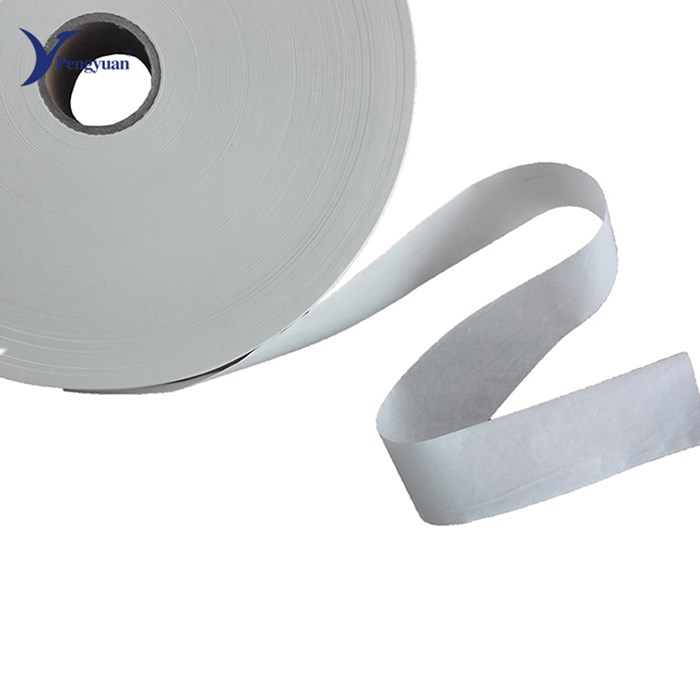
In an era where “greenwashing” is no longer tolerated by regulators or consumers, the paper industry is undergoing a profound transformation. The shift is particularly critical in the niche of pasting paper—a category encompassing adhesive-backed wrapping papers, ecological decorative surfaces, and high-performance barrier papers used in packaging and wood lamination.
Today, eco-friendly pasting paper is no longer defined solely by its recycled content. Instead, it is evaluated through a rigorous, multidimensional lens that includes carbon footprint, chemical safety, forest stewardship, and circular end-of-life solutions. This article explores how manufacturers can navigate the complex landscape of international environmental standards to produce pasting papers that are legitimate, competitive, and future-proof.
1. The Bedrock of Credibility: Forest Certification and Chain of Custody
For any paper product claiming environmental merit, the origin of its fiber is the first checkpoint. Two global titans dominate this space: the Forest Stewardship Council (FSC®) and the Programme for the Endorsement of Forest Certification (PEFC™) .
FSC certification guarantees that cellulose fiber originates from forests managed with strict respect for biodiversity, Indigenous rights, and ecosystem conservation. It offers three distinct labels:
- FSC 100%: Virgin fiber from certified forests.
- FSC Mix: A blend of certified, recycled, and controlled wood.
- FSC Recycled: Exclusively post-consumer or post-industrial reclaimed fiber .
PEFC, while pursuing similar sustainability goals, places greater emphasis on supporting small family forests and local economies. Both systems require rigorous Chain of Custody (CoC) certification, ensuring traceability from the forest floor to the finished pasting paper reel .
However, industry leaders like Sappi caution that blindly chasing high recycled content can sometimes backfire. Life-cycle assessments reveal that processing certain recycled fibers can consume more energy than using virgin fiber, paradoxically increasing the carbon footprint. Sappi’s analysis of its Somerset Mill showed that adding 10% post-consumer recycled fiber increased the product’s carbon footprint by 16% . Thus, true sustainability demands a systems-thinking approach rather than a singular focus on recycled percentages.
2. Beyond Wood: Alternative Fibers and Industrial Symbiosis
To meet the dual pressures of deforestation concerns and waste reduction, innovators are turning to non-wood sources and industrial symbiosis.
Releaf Paper, an EIC Accelerator beneficiary, has pioneered the world’s first commercial pulp derived from urban green waste—specifically, fallen leaves. By processing leaf litter collected from city parks, Releaf consumes ten times less water and significantly less energy compared to traditional wood pulping. The CO₂ absorbed by the leaves during their growing season remains sequestered in the paper, offering a carbon-negative potential . Such innovations are now being scaled in Europe, with pilot production lines supplying packaging for major food delivery platforms like Uber Eats.
Another frontier is industrial symbiosis. Italian papermaker Favini produces its Remake paper line by incorporating 25% leather manufacturing by-products—specifically, shavings and offcuts from tanneries—into the pulp matrix. These residues, previously destined for landfill or low-value fertilizer, are mechanically cleaned and blended with cellulose fibers. The result is a 100% recyclable and biodegradable pasting paper with a distinct tactile quality, used by luxury brands like Louis Vuitton and Vivienne Westwood for premium packaging and swing tags .
3. Chemical Innocence and the EU Ecolabel Standard
Perhaps the most stringent barrier to entry for eco-friendly pasting paper, particularly for food contact and interior applications, is chemical compliance.
The EU Ecolabel (the “European Flower”) is the gold standard for lifecycle environmental excellence. For printing and pasting papers, the criteria are outlined in the 2012/481/EU决议. This regulation mandates:
- Heavy metal restrictions: Cadmium, lead, mercury, and hexavalent chromium must each be below 0.01% (w/w) .
- VOC and hazardous substance bans: Printing inks and adhesives must be free from substances classified under REACH as Substances of Very High Concern (SVHC). Alkylphenol ethoxylates (APEOs) and certain phthalates are strictly prohibited .
- Recyclability and emissions: The paper must be effectively recyclable in existing waste streams, and production emissions must meet strict thresholds for COD (Chemical Oxygen Demand) and CO₂ .
In the decorative panel sector, a patent by an unnamed innovator describes an ecological thermosetting decorative paper that contains zero formaldehyde or melamine. By using modified thermoset resins derived from softwood and polyester fiber blends, this paper can be hot-pressed directly onto veneers without sanding or glue preparation, eliminating hazardous airborne compounds during furniture manufacturing .
4. The Rise of Barrier Coatings: PFAS-Free and Compostable
Traditional pasting papers used in food wrapping often relied on PFAS (per- and polyfluoroalkyl substances) to achieve grease and water resistance. These “forever chemicals” are now facing a regulatory crackdown globally.
Sustainable barrier paper has emerged as a high-growth segment, projected to reach USD 2.89 billion by 2032 at a CAGR of 7.1% . These papers utilize bio-based coatings—such as nanocellulose, chitosan, starch derivatives, and plant-based waxes—to provide resistance to moisture, oxygen, and grease without compromising recyclability.
Ahlstrom’s Sulpack® range exemplifies this shift. This PFAS-free parchment paper, designed for butter and cheese packaging, recently achieved Home Compostable certification from the Australasian Bioplastics Association (ABA), complying with AS 5810 standards. This complements its existing TÜV and BPI certifications, proving that the paper will fully biodegrade in non-industrial composting environments .
Such certifications are vital for brands aiming to meet the EU Packaging and Packaging Waste Regulation (PPWR) , which mandates that all packaging be recyclable or reusable by 2030 .
5. Navigating the Standards Maze: A Comparative Overview
To assist procurement managers and product developers, the following table summarizes the key international standards applicable to eco-friendly pasting paper:
|
Certification/Standard |
Region/Scope |
Key Focus |
Relevance to Pasting Paper |
|
FSC / PEFC |
Global | Sustainable forestry, traceability | Base paper sourcing |
| EU Ecolabel | Europe | Lifecycle impact, chemical bans | Printing, adhesives, final product |
| DIN 6736 | Germany (DIN) | Environmental aspects & parameters | Defines relevant eco-parameters for LCA |
| BPI / ABA / TÜV Compostable | North America, EU, AU | Biodegradation in industrial/home settings | End-of-life; food-service papers |
| SFI (Sustainable Forestry Initiative) | North America | Responsible sourcing; fiber certification | Alternative to FSC; accepted by EPA |
| REACH / CLP | EU | Chemical registration, hazard classification | Bans SVHCs in coatings and inks |
6. Overcoming Market Barriers: Cost and Infrastructure
Despite technological advances, eco-friendly pasting paper faces significant headwinds.
Cost remains the primary obstacle. Sustainable barrier papers are often 30-50% more expensive than plastic-laminated conventional papers due to specialized coating materials and shorter production runs . This deters price-sensitive buyers, particularly in developing markets.
Recycling infrastructure gaps also pose a credibility crisis. While a paper may be technically recyclable, over 60% of coated barrier papers currently end up in landfills or incinerators due to the inability of municipal sorting facilities to process bio-coatings . This “recyclability paradox” demands parallel investment in waste management education and technology.
Regulatory fragmentation further complicates global trade. A paper certified as compostable in Europe may not meet the ASTM standards required in the United States, forcing manufacturers to maintain multiple product variants and incurring 15-20% additional compliance costs .
7. Conclusion: The Future is Holistic
The journey toward truly eco-friendly pasting paper is no longer a simple checklist of recycled content. It is an intricate balancing act involving forest stewardship, chemical transparency, process decarbonization, and circular design.
The leaders of tomorrow—be they established giants like Stora Enso and UPM, or agile innovators like Releaf Paper and Favini—share a common trait: they treat environmental standards not as bureaucratic hurdles, but as blueprints for innovation. By aligning product development with the rigorous demands of FSC, EU Ecolabel, and compostability certifications, they are transforming pasting paper from a mundane commodity into a high-value, planet-positive solution.
For businesses seeking to thrive in this landscape, the directive is clear: verify everything through third-party audits, embrace radical transparency, and never underestimate the intelligence of the environmentally conscious consumer.
Post time: Feb-12-2026


