
When we think of a cigarette, the focus is often on the tobacco blend or the filter. Yet, one of the most technically sophisticated components is the small band of material wrapping the filter: the tipping paper. Also known as plug wrap or tipping base paper, this seemingly simple material is a marvel of precision engineering. It bridges the smoker’s lips to the filter, influences the draw resistance, dictates the aesthetic branding, and even plays a role in smoke dilution.
In this deep dive, we will dissect the three critical pillars of tipping paper technology: Porous Structures (controlling ventilation), Basis Weights (managing stiffness and processability), and Printing Techniques (delivering brand identity and safety features).
1. The Fundamentals: What is Tipping Paper?
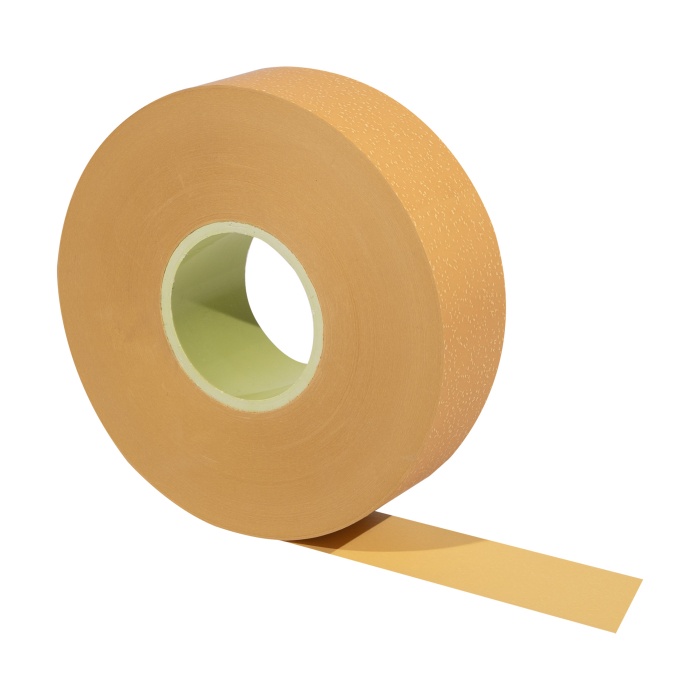
Tipping paper is a specialized band of paper that wraps around the filter rod and attaches it to the tobacco column. Unlike standard printing paper, tipping paper is designed to be laminated—usually with an adhesive layer—and perforated. It must possess high tensile strength to survive high-speed packaging machines (running at up to 16,000 cigarettes per minute), high opacity to hide the filter substrate, and specific porosity levels to control air intake.
Historically, tipping paper was a simple cork pattern printed on beige paper to mask yellow stains on the filter. Today, it has evolved into a functional component of cigarette design, influencing tar and nicotine yields through ventilation technology.
2. Porous Structures: The Science of Ventilation
The most critical functional characteristic of tipping paper is its porosity. This refers to the paper’s ability to allow air to pass through its structure, measured in Coresta Units (CU). One CU indicates an air flow of 1 cubic centimeter per minute through a test piece under a pressure difference of 1 kilopascal.
Natural Porosity vs. Electrostatic Perforation
- Natural Porosity (Inherent): Achieved during the paper manufacturing process. By controlling the refining of pulp fibers and the use of fillers (like calcium carbonate), manufacturers create microscopic channels between the fibers. Papers with natural porosity range from 300 to 10,000 CU. These are used for “light” or “ultra-light” cigarettes where significant air dilution is required before the smoke hits the filter.
- Electrostatic Perforation (Laser/Mechanical): This involves creating physical holes through the paper after printing. High-energy laser or electrostatic discharge burns microscopic holes (diameters of 30–150 microns) through the tipping paper and the underlying plug wrap. This method offers extreme precision, allowing manufacturers to dial in ventilation rates from 0% to 90% with exact consistency.
Why Porosity Matters
When a smoker draws on a cigarette, air is pulled through both the lit tobacco and the porous tipping paper. This secondary air dilutes the mainstream smoke, reducing the concentration of tar, nicotine, and carbon monoxide per puff.
There is a delicate balance here. If the porosity is too high (e.g., >5000 CU for standard tipping), the draw becomes “airy” and unsatisfying, and the cigarette may burn unevenly. If too low (<50 CU), the draw feels hard, and the smoke temperature increases. Modern regulatory environments often require precise porosity to meet legal “tar yield” declarations printed on the pack.
The Zone System: Advanced tipping papers use “zoned porosity.” The paper might have low porosity near the tobacco end to ensure proper ignition and high porosity near the mouth end to cool the smoke. This spatial control of air flow is only possible through sophisticated paper structure engineering.
3. Basis Weights: The Structural Backbone
While porosity governs airflow, basis weight (measured in grams per square meter, or gsm) governs the physical handling of the paper. Standard tipping paper weights range from 26 gsm to 60 gsm. The choice of basis weight affects three specific areas: stiffness, machine runnability, and final filter aesthetics.
Low Basis Weight (26–35 gsm)
Thinner papers are used for high-porosity applications. They are flexible and wrap tightly around the filter without wrinkling. However, they are more prone to tearing on high-speed packaging lines. Manufacturers compensate for low basis weight by using high-grade virgin pulp (flax or hemp fibers) to retain tensile strength. Thin papers are also preferred for “recessed filter” designs where the paper must fold into a cavity.
Medium Basis Weight (36–50 gsm)
This is the industry standard for king-size and 100mm cigarettes. These papers offer a good balance between opacity (to hide the charcoal or acetate filter inside) and stiffness. A tipping paper that is too flimsy will cause the filter to collapse under the pressure of the smoker’s lips; too stiff, and it will not adhere uniformly to the filter rod.
The Stiffness (measured in Taber or Gurley units) is directly proportional to the basis weight and the degree of calendering (a pressing process that smooths the paper). For cigarette tipping, stiffness must be high enough to allow the paper to be cut into narrow bands (typically 24–32mm wide) and wrapped around a moving filter rod without buckling.
High Basis Weight (50–60 gsm)
High basis weight papers are reserved for premium segments, “wide” cigarettes, or cigarillos. They provide a luxurious, firm mouthfeel. Additionally, high gsm papers allow for multi-color gravure printing without the ink bleeding through to the reverse side. They also support complex watermarking or embossing for anti-counterfeiting measures.
The Adhesive Interaction: One often overlooked aspect is how basis weight interacts with the adhesive. Tipping paper is coated on the reverse side with a seam adhesive (usually a hot-melt or PVA glue). If the paper is too thin (low basis weight), the adhesive can “strike through” to the printed outer surface, causing tackiness or blocking (where adjacent papers stick together in the bobbin). Heavier papers act as a barrier, preventing adhesive migration.
4. Printing Techniques: From Cork Patterns to Smart Codes
The visual identity of a cigarette brand relies almost entirely on tipping paper printing. What began as simple gravure printing of cork motifs has evolved into a multi-layer, high-tech process involving rotogravure, flexography, and even digital security printing.
Rotogravure (Gravure): The Industry Standard
Over 90% of the world’s tipping paper is printed using rotogravure. This intaglio process involves engraving cells (tiny wells) into a copper cylinder. The cylinder rotates through an ink bath, a doctor blade scrapes excess ink from the surface, and the paper passes between the engraved cylinder and an impression roller, pulling ink out of the cells.
Why gravure for tipping paper?
- High Speed: Gravure presses run at 300–500 meters per minute, synchronized with slitting and rewinding stations.
- Consistent Ink Deposit: Because the cells are physically etched, the ink volume per square inch remains constant for millions of impressions, crucial for brand uniformity.
- Deep, Rich Colors: Cork patterns require a mottled, three-dimensional appearance. Gravure’s variable cell depths create perfect gradations from dark brown to pale beige.
Flexography (Flexo)
Flexo is gaining traction for smaller runs or when using water-based, environmentally friendly inks. Using flexible rubber or photopolymer plates, flexo prints at lower pressures than gravure. While historically inferior in quality for fine cork textures, modern laser-etched flexo plates achieve 150 lpi (lines per inch) resolution, rivaling gravure. Flexo’s advantage is quick changeover; a new brand design requires only new plates (costing
500)versusanewgravurecylinder(costing5,000).
Specialty and Security Printing
As counterfeit cigarettes flood global markets, tipping paper has become a security device.
- Metallic and Pearlescent Inks: Using aluminum or mica pigments, printers create gold, silver, or holographic bands. These are nearly impossible for counterfeiters to replicate exactly due to the specific pigment particle size and distribution required for rotogravure.
- Micro-text: The human eye sees a solid line, but under a 20x loupe, that line is actually repeating text (e.g., the brand name). This is printed using laser-engraved gravure cylinders with 80-micron deep cells.
- Color-Shifting Inks (OVI): Expensive, but used for premium brands. The ink appears copper at 0 degrees and green at 45 degrees. This relies on flake alignment in the gravure process.
- Taggants and UV Marks: Invisible inks that fluoresce under UV light are printed during the final pass. These are essential for customs officials verifying duty-free or legal product.
The Challenge: Porosity vs. Printability
The greatest conflict in tipping paper manufacturing is that porosity kills print quality. A highly porous paper (3000+ CU) acts like a sponge. When the gravure cylinder applies ink, the vacuum suction of the porous web pulls ink through the paper, causing “show-through” on the reverse side (which then sticks to the adhesive) and reducing color density.
To solve this, manufacturers use:
- Pre-calendering: Compressing the paper to close surface pores before printing, while leaving bulk porosity for air flow.
- Surface Sizing: Applying a thin layer of starch or PVA to the print side only, sealing the surface pores. This allows sharp 80 lpi halftone dots on a 2000 CU paper.
- Ink Viscosity Control: Using high-viscosity, high-solids inks that sit on the surface rather than wicking into the fiber matrix.
5. The Convergence: Modern Complexities
Today, these three variables (porosity, weight, and printing) cannot be designed in isolation. A cigarette destined for the EU market under the Tobacco Products Directive (TPD) must have specific ventilation (porosity) to achieve a “tar yield” of 10mg or less. That ventilation rate requires a specific basis weight (usually 38 gsm) to maintain machine speed. And the printing must incorporate a traceable QR code (printed via high-res flexo) to comply with track-and-trace laws.
Case Study – The “Low Ventilation” Premium Cigarette:
A luxury brand wants a “full flavor” cigarette with low tar (8mg) but a classic cork look.
- Porosity: 400 CU natural (low dilution, preserves flavor).
- Basis Weight: 50 gsm (heavy, premium feel, hides charcoal filter).
- Printing: 5-color gravure (base white, cork brown, black specks, gold metallic band, and a UV security stripe).
Case Study – The “Ultra-Light” Value Cigarette:
A budget brand needs an ultra-low tar rating of 1mg.
- Porosity: 12,000 CU via electrostatic perforation (massive dilution).
- Basis Weight: 30 gsm (thin, cheap, but high porosity requires a special adhesive to prevent strike-through).
- Printing: 2-color flexo (simple branding, no high detail).
Conclusion
Cigarette tipping paper is far from a passive wrapper. It is an active engineering material where porosity governs the smoking experience and regulatory compliance, basis weight dictates the physical integrity and machine efficiency, and printing techniques deliver brand security and aesthetic appeal.
The future of tipping paper lies in “smart” materials: papers that change porosity when heated, biodegradable substrates that replace synthetic adhesives, and nano-printing for embedded anti-counterfeiting DNA markers. As regulations tighten and consumer expectations evolve, the humble bobbin of tipping paper will remain at the forefront of cigarette engineering innovation.
For manufacturers, the challenge remains balancing the triad: you cannot sacrifice print quality for ventilation, nor reduce basis weight without compensating with stronger fibers. Mastering this balance is what separates a commodity paper supplier from a true technical partner.
Post time: May-22-2026