
In the rapidly evolving landscape of energy storage and automotive technology, the Absorbent Glass Mat (AGM) separator has emerged as a critical component enabling high-performance lead-acid batteries. AGM separators, composed of ultrafine glass microfibers, serve as porous insulators that prevent short circuits while maintaining electrolyte absorption and retention. As the global market for AGM battery separators continues its robust growth trajectory—projected to expand from USD 1.36 billion in 2025 to USD 2.18 billion by 2032—these components are increasingly recognized as essential enablers for two of the most demanding applications in the battery industry: automotive start-stop systems and renewable energy storage.
Technical Fundamentals of AGM Separators
Structure and Composition
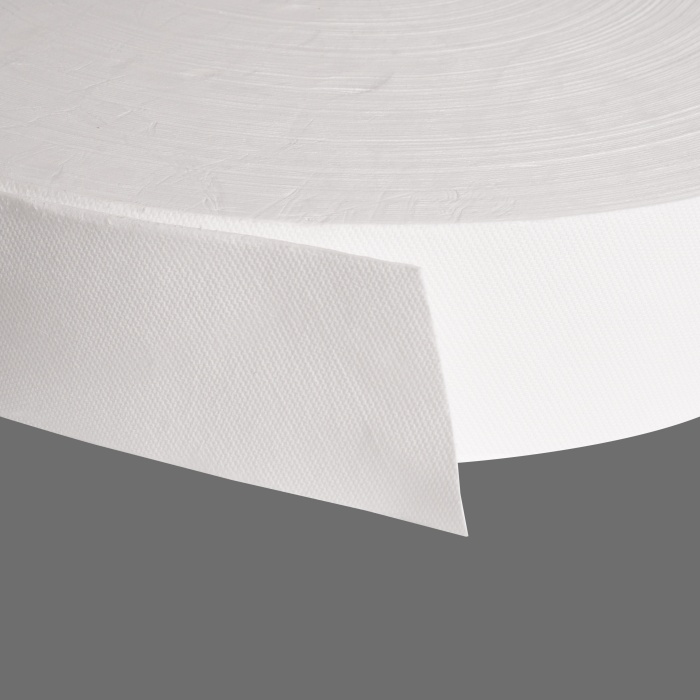
AGM separators are sophisticated nonwoven mats engineered from fine glass fibers that provide a unique combination of properties essential for modern valve-regulated lead-acid (VRLA) batteries. These separators serve a dual function: they physically separate the positive and negative plates to prevent short circuits while simultaneously acting as an electrolyte reservoir, absorbing and immobilizing the sulfuric acid electrolyte. This immobilization is critical for spill-proof, maintenance-free operation, making AGM batteries suitable for a wide range of demanding applications.
Key Performance Characteristics
The performance of AGM separators is determined by several interrelated parameters. Porosity and acid absorption are fundamental properties that dictate how effectively the separator can retain electrolyte while allowing efficient ionic transport. Thickness uniformity ensures consistent compression across the electrode surface, which is vital for maintaining optimal electrical contact and preventing localized degradation. Mechanical strength and compression ratio determine the separator’s ability to maintain structural integrity under the pressure exerted by battery assembly and during operational cycling. Leading industry experts emphasize that optimal compression and saturation of the separator are among the basic prerequisites for the perfect functioning of the AGM battery.
Next-Generation Advancements
Recent innovations in AGM separator technology have focused on enhancing uniformity and performance. Advanced manufacturing platforms now enable unmatched product uniformity, optimized fiber dispersion, and superior electrolyte retention, which ensure low electrical resistance and enhanced charge acceptance for maximized battery efficiency and lifespan. Flexible platforms allow customization from 100% micro glass to advanced micro glass-synthetic fiber blends, enabling battery manufacturers to tailor separator properties to specific application needs. This customization capability is particularly valuable as different applications—from automotive start-stop to grid-scale energy storage—impose distinct performance requirements on battery systems.
AGM Separators in Automotive Start-Stop Applications
The Start-Stop Revolution
The global automotive industry has undergone a significant transformation with the widespread adoption of start-stop technology, driven by increasingly stringent fuel efficiency regulations and emissions reduction targets. Over 50% of new vehicles in Europe and 30-35% in North America now incorporate start-stop systems, with over 50 million start-stop vehicles on the road globally. This technology reduces fuel consumption by 5-8% in urban driving conditions, making it an attractive solution for automakers complying with tightening emissions standards.
Why AGM Batteries Are Preferred
Start-stop systems place extraordinary demands on batteries that conventional flooded batteries cannot reliably meet. These systems require batteries that can handle frequent engine restarts—AGM batteries manage up to approximately 360,000 engine starts, compared to approximately 270,000 for Enhanced Flooded Batteries (EFB) and approximately 120,000 for conventional wet batteries. Additionally, in vehicles equipped with braking energy recovery (regenerative braking), the AGM battery operates artificially at a lower state of charge (approximately 70%), subjecting it to extremely high cyclic loads that quickly degrade conventional batteries.
Separator Requirements for Start-Stop
Start-stop applications demand AGM separators with specific performance characteristics. High-cycle life is fundamental, as the separator must maintain integrity over thousands of charge-discharge cycles. Vibration resistance is critical for automotive and motive power applications, where physical stability prevents internal short circuits. The separator must also provide consistent compression against electrodes, preventing active mass shedding—a common failure mode in partial state of charge (PSoC) operation.
Strategic Importance
Leading AGM separator manufacturers have recognized the strategic importance of the automotive sector. As Hollingsworth & Vose, a global leader in AGM supply to the automotive market, notes, “AGM advanced lead battery has been proven in the Start/Stop powertrain and is the 12V advanced battery of choice for future powertrains to include the Battery Electric Vehicle (BEV)”. The 12V requirements are increasing for every powertrain vehicle, including mild and full-hybrid and BEV vehicles, where the 12V advanced battery must operate in PSoC during stop/start events powering the entire vehicle when the engine is off.
AGM Separators in Energy Storage Applications
The Renewable Energy Imperative
The global shift toward renewable energy systems is creating substantial demand for reliable energy storage solutions, where AGM battery separators play a critical role. Solar and wind installations, which often require deep-cycle batteries with excellent charge acceptance, increasingly utilize AGM technology. The separators’ ability to prevent acid stratification and maintain performance in partial state-of-charge conditions makes them ideal for renewable applications. Market projections indicate renewable capacity additions will grow at a 7-9% CAGR through 2032, directly benefiting the AGM separator segment as battery storage becomes integral to grid stabilization.
Deep Discharge and Cycle Performance
Energy storage systems impose unique demands on batteries. Deep discharge recovery is increasingly important for renewable energy storage, allowing batteries to be drained to low levels and fully recharged without permanent damage, thus enhancing system efficiency and reliability. AGM separators excel in this application by maintaining electrolyte accessibility even under deep discharge conditions, enabling effective recovery and extended cycle life.
Preventing Acid Stratification
A long-standing challenge in lead-acid batteries has been electrolyte stratification, particularly in flooded batteries used in energy storage systems. The variability of stratification exacerbates open circuit voltage excursions and discharge voltage fluctuations, which result in battery sulfation that ultimately impacts charge acceptance and cycle life. AGM separators provide a solution to these stratification issues, improving the efficiency of battery management systems by controlling electrolyte distribution and ensuring reliable ion transport.
Broadening Application Range
Beyond grid-scale storage, AGM batteries with advanced separators are finding increasing application in residential and commercial storage systems. The separator’s ability to withstand deep discharge cycles makes it particularly suitable for renewable applications, where battery systems frequently cycle between full charge and discharge states. Telecom infrastructure and uninterruptible power supplies (UPS) also represent growing segments, with the essential requirement for reliable backup power creating stable, consistent demand for AGM separators with a strong emphasis on long-term reliability and minimal maintenance.
Future Market Outlook
Market Growth Projections
The AGM battery separator market is poised for substantial growth across multiple segments. The ultrafine glass fiber for AGM separator market was valued at USD 1.67 billion in 2025 and is projected to reach USD 3.28 billion by 2032, representing a compound annual growth rate (CAGR) of 10.09%. The broader AGM battery separator market, encompassing all types of AGM separators, is projected to grow from USD 1.36 billion in 2025 to USD 2.18 billion by 2032 at a CAGR of 6.7%.
Key Growth Drivers
Several factors are driving this market expansion. The increasing adoption of start-stop systems in vehicles remains the dominant driver, with AGM battery installations projected to grow at a CAGR of 6-8% through 2032. Renewable energy storage expansion is creating new growth avenues, as solar and wind energy installations increase by 12-15% annually. Stringent environmental regulations promoting maintenance-free battery solutions continue to favor AGM technology.
Sustainability and Innovation
Leading manufacturers are investing heavily in research and development to advance AGM separator technology. Ahlstrom, for example, has launched a new AGM battery separator platform manufactured at a state-of-the-art facility in Turin, Italy, emphasizing “innovative and sustainable solutions for the evolving energy storage market”. The company’s next-generation AGM separators are designed to deliver “unparalleled quality, efficiency, and durability to battery manufacturers worldwide”.
Challenges and Opportunities
While AGM separators offer significant advantages, challenges remain. The cost of AGM technology is more than twice that of conventional flooded batteries, which can limit adoption in price-sensitive applications. However, this cost premium is increasingly justified by the superior performance, longer lifespan, and reduced maintenance requirements of AGM batteries. As noted by Daramic, combining the best aspects of flooded, gel, and AGM technologies represents “a significant advancement and evolution in the field of lead batteries, reinforcing their position as one of the most cost-effective battery technologies available today”.
Conclusion
AGM separators stand at the forefront of battery technology innovation, enabling the high-performance lead-acid batteries essential for modern automotive and energy storage applications. In start-stop systems, these separators enable the frequent cycling and vibration resistance required for optimal performance, supporting automakers in meeting stringent emissions regulations. In renewable energy storage, AGM separators provide the deep-cycle capability and acid management essential for reliable grid-scale and residential storage solutions.
As the world continues its transition toward electrification and renewable energy, the importance of AGM separators will only grow. Market projections indicate robust growth across all application segments, driven by technological advancement, regulatory requirements, and the global imperative for sustainable energy solutions. Manufacturers that continue to innovate in areas such as fiber technology, material uniformity, and application-specific customization will be best positioned to meet evolving market needs.
The AGM separator, once considered a mature component, has proven to be a dynamic and essential technology for the energy future. Whether ensuring reliable starts for millions of vehicles or supporting the renewable energy infrastructure of tomorrow, AGM separators will remain a cornerstone of high-performance energy storage solutions for years to come.

Post time: Aug-06-2026


